Your vehicle's braking system is one of the most important safety components on the road. Whether you drive daily for work, run errands around town, or travel long distances, reliable brakes are essential for protecting you, your passengers, and other road users. Unfortunately, many drivers overlook early warning signs of brake problems until they become severe and expensive to repair.
Brake components naturally wear down over time due to friction, heat, and continuous usage. Ignoring symptoms of brake failure can lead to reduced stopping power, costly repairs, and even dangerous accidents. Understanding the signs that indicate your brake system needs replacement parts immediately can help you avoid serious safety risks and maintain your vehicle's performance.
Below are the most common indicators that your brake system requires immediate attention.
One of the earliest signs of brake wear is a high-pitched squealing or screeching sound whenever you press the brake pedal.
Brake pads are designed with built-in wear indicators. When the brake pad material becomes too thin, these indicators create a squealing noise to alert drivers that replacement is needed.
If the worn brake pads are not replaced promptly, the metal backing plate may come into contact with the brake rotor. This can cause significant damage to the rotor surface and increase repair costs.
The squealing sound serves as an early warning system. Replacing brake pads at this stage is usually more affordable than waiting until additional components become damaged.
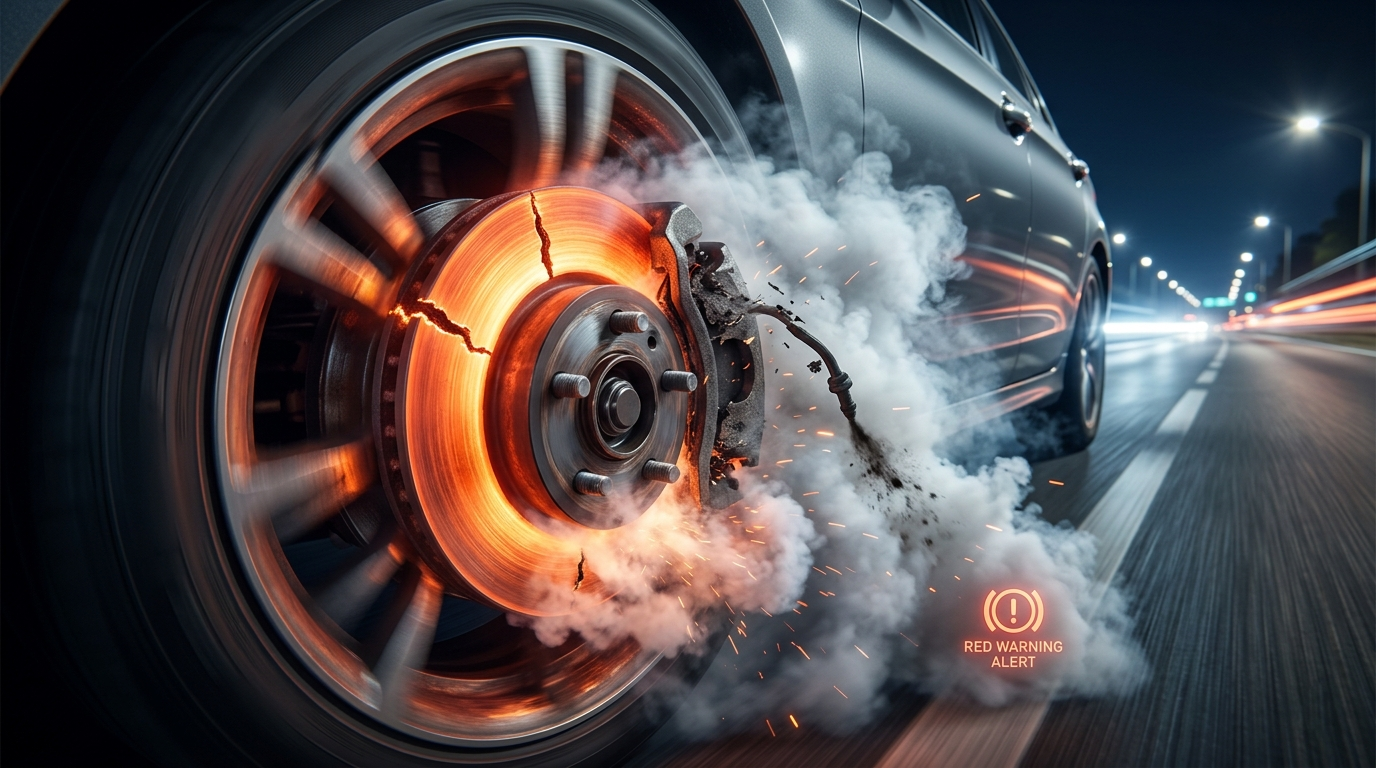
A grinding noise is more serious than squealing and often indicates advanced brake wear.
Grinding usually occurs when brake pads have completely worn out, allowing metal components to rub directly against the brake rotors.
Metal-on-metal contact can severely damage rotors, calipers, and other braking components. This can compromise stopping ability and increase repair expenses.
If you hear grinding noises, stop driving the vehicle whenever possible and have the brake system inspected immediately. Delaying repairs can create hazardous driving conditions.
If your brake pedal vibrates or pulses when slowing down, there may be an issue within the braking system.
Brake rotors can become warped due to excessive heat, heavy braking, or prolonged wear. Uneven rotor surfaces create vibrations that are felt through the pedal.
Warped rotors reduce braking efficiency and may increase stopping distances.
Replacing damaged rotors or resurfacing them, when appropriate, helps restore smooth and consistent braking performance.
Modern vehicles are equipped with dashboard warning lights designed to alert drivers of potential brake system problems.
The brake warning light may indicate:
A warning light should never be ignored. Even if the brakes appear to function normally, hidden issues may be developing within the system.
A professional diagnostic inspection can identify the exact cause and determine whether replacement parts are required.
The brake pedal should feel firm and responsive when pressed.
A soft or spongy pedal often indicates:
Reduced hydraulic pressure can significantly decrease braking effectiveness.
Since the hydraulic system transfers force from the pedal to the brakes, any weakness can impact stopping ability and create a serious safety concern.
Your vehicle should stop in a straight line under normal braking conditions.
Pulling to one side may result from:
Uneven braking can reduce vehicle control, especially during emergency stops or poor weather conditions.
Replacing faulty brake components restores balanced braking performance and improves safety.
If your vehicle takes longer to stop than usual, your brake system may be losing effectiveness.
Possible causes include:
Longer stopping distances increase the risk of collisions, particularly in heavy traffic or emergency situations.
Any noticeable decrease in braking responsiveness should be inspected as soon as possible to prevent accidents.
A strong burning odor near the wheels after driving may indicate overheated brake components.
Excessive heat can result from:
Overheated brakes can experience reduced performance, known as brake fade, which decreases stopping power.
A professional inspection can determine whether replacement parts are needed before more serious damage occurs.
Regular visual inspections can reveal brake wear before performance issues become noticeable.
Brake pads should have sufficient friction material remaining. Extremely thin pads indicate replacement is overdue.
Waiting until the pads are completely worn can damage more expensive components such as rotors and calipers.
Routine inspections allow drivers to replace brake pads proactively and maintain optimal braking performance.
Brake fluid is essential for transmitting force through the hydraulic braking system.
Fluid leaks may appear as puddles beneath the vehicle or reduced fluid levels in the reservoir.
Low brake fluid levels can lead to brake failure and loss of stopping power.
Any leak should be repaired immediately, and damaged components should be replaced to restore system integrity.
Ignoring brake problems can result in:
Addressing brake issues early helps extend the lifespan of your braking system and ensures reliable performance in everyday driving conditions.
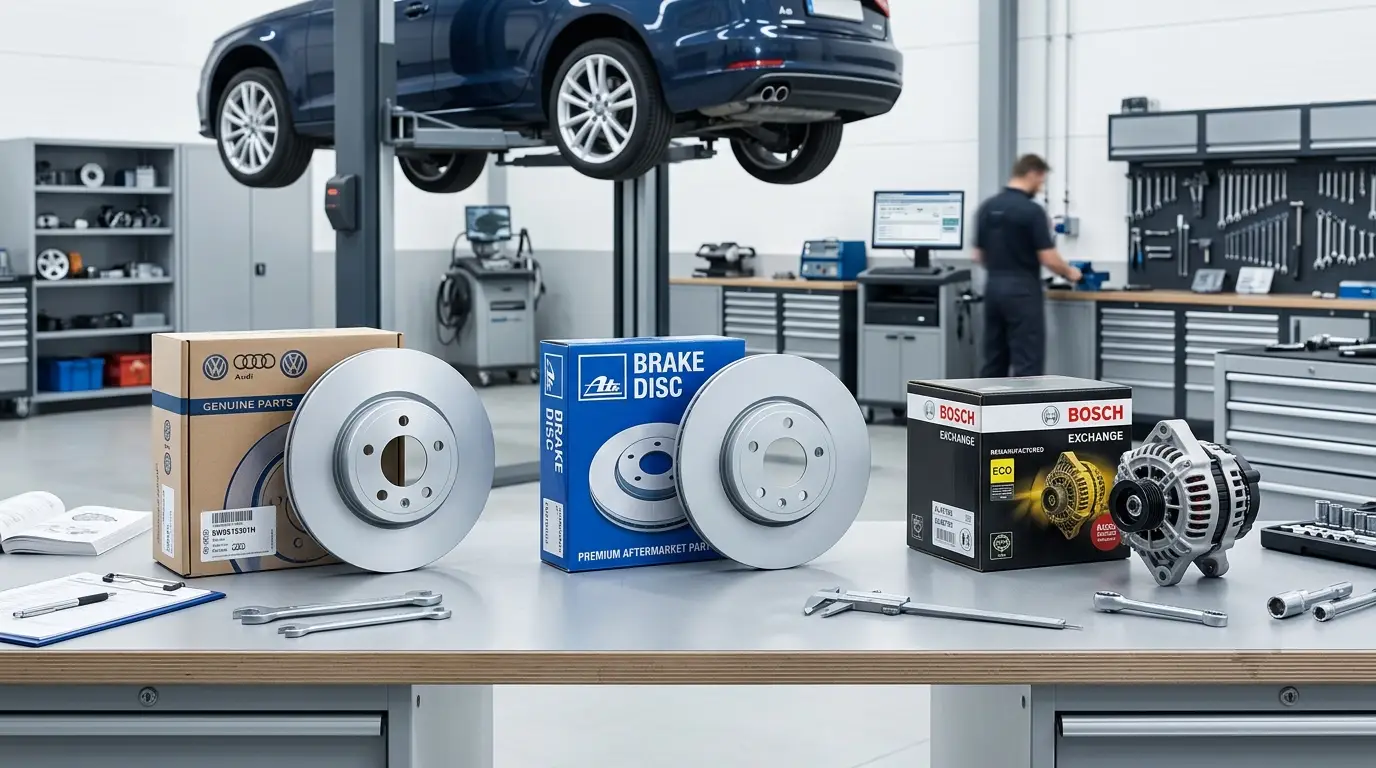
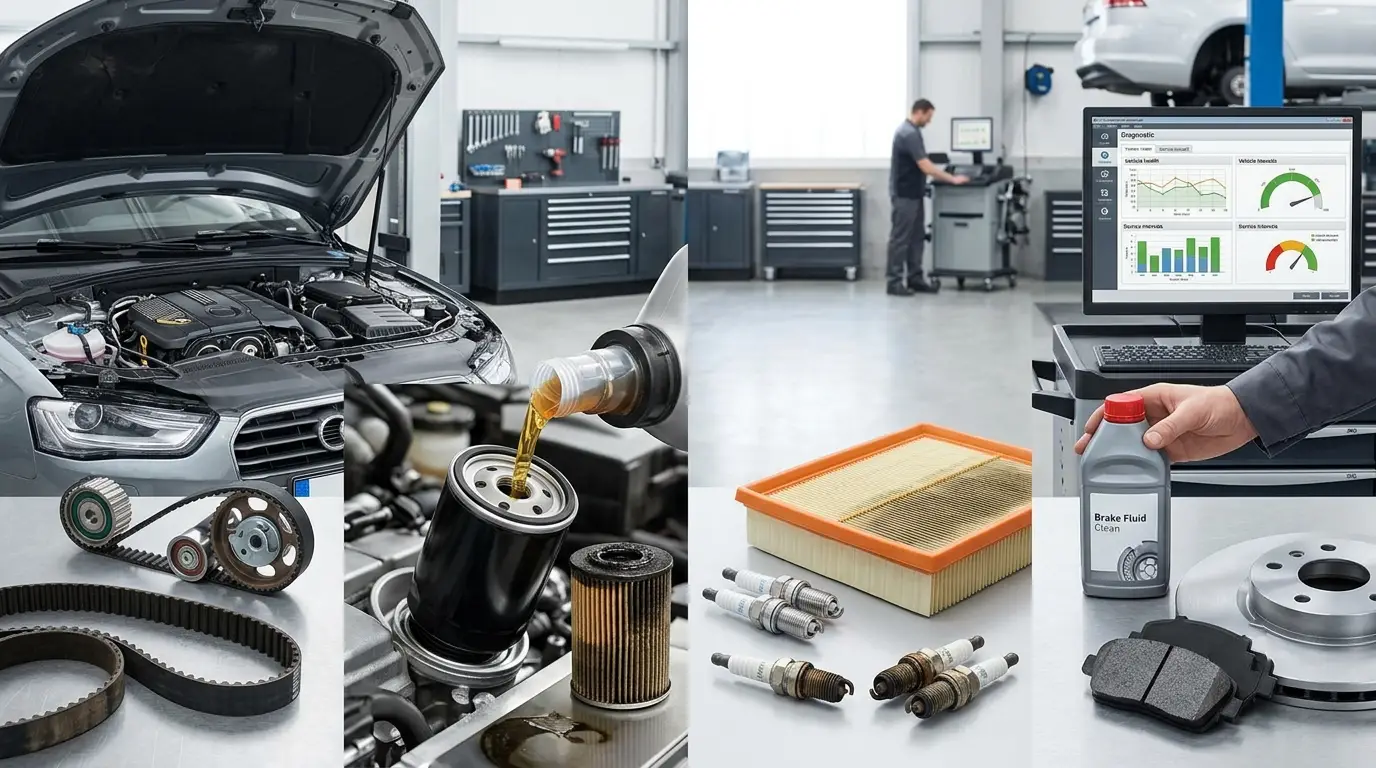
Several parts commonly require replacement during brake service:
These create friction against the rotors to slow the vehicle.
Rotors provide the surface against which brake pads press during braking.
Calipers apply pressure to the brake pads and must function properly for effective braking.
Clean brake fluid is necessary for hydraulic pressure and responsive braking.
These components transport brake fluid throughout the system and must remain leak-free.
To maximize brake life and improve safety:
Your brake system plays a critical role in vehicle safety, making it essential to recognize warning signs before they become serious problems. Squealing noises, grinding sounds, pedal vibrations, warning lights, fluid leaks, and longer stopping distances all indicate that replacement parts may be needed immediately. Acting quickly can prevent costly repairs, improve vehicle performance, and most importantly, keep you safe on the road.
Regular maintenance and prompt replacement of worn brake components ensure dependable stopping power and provide peace of mind every time you drive.
Brake pads typically need replacement every 30,000 to 70,000 miles, depending on driving habits, vehicle type, and road conditions.
While squealing brakes may still function, the noise usually indicates worn pads. It is advisable to have them inspected and replaced as soon as possible.
Excessive heat generated during heavy or repeated braking can cause rotor surfaces to become uneven or warped.
Yes. A soft brake pedal can indicate hydraulic issues, air in the brake lines, or fluid leaks that may reduce braking performance.
Repair costs vary depending on the components involved. Replacing brake pads is generally less expensive than replacing rotors, calipers, or hydraulic system parts after significant damage occurs.