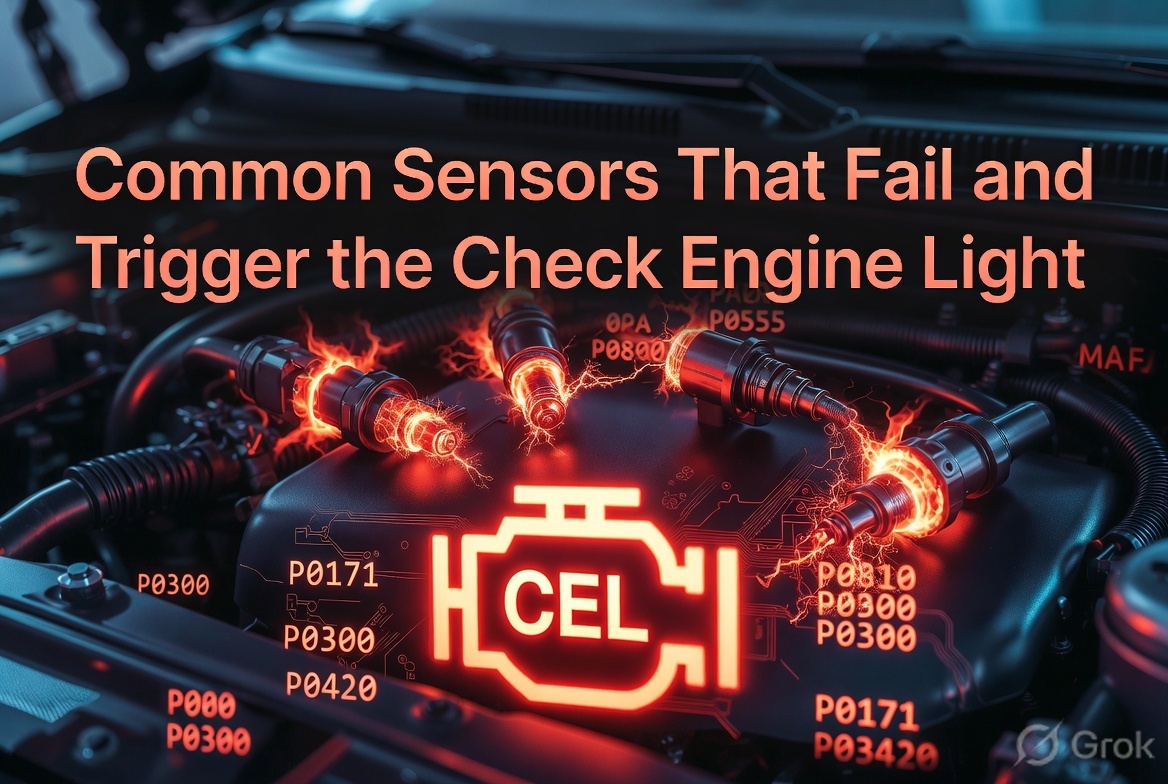
The check engine light (CEL) is a common dashboard warning that frustrates drivers everywhere. Also known as the malfunction indicator lamp (MIL), this light activates when the vehicle’s OBD-II system detects a fault, most often related to engine sensors. Faulty sensors are among the top reasons for check engine light issues, accounting for a large percentage of diagnostic visits.
Modern vehicles use multiple sensors to monitor engine performance, emissions, and efficiency. When one fails, the Engine Control Unit (ECU) logs a trouble code and illuminates the check engine light. Understanding the most common sensors fail and trigger the check engine light helps you diagnose problems early, avoid expensive repairs, and maintain optimal fuel economy and emissions compliance.
In this comprehensive guide, you’ll discover the top failing engine sensors, their symptoms, common OBD-II codes, causes, and repair costs. Whether you’re a DIY enthusiast or simply want to be informed before visiting a mechanic, this article covers everything you need to know.
The oxygen sensor (also called O2 sensor or lambda sensor) measures oxygen levels in the exhaust gases and helps the ECU adjust the air-fuel mixture in real time. Most cars have 2 to 4 O2 sensors.
Common Symptoms of a Bad O2 Sensor:
Main Causes of Failure:
Diagnosis and Repair:
A professional scan tool reads live data and voltage output. Replacement costs typically range from $150-$350 per sensor (including labor). Replacing a faulty O2 sensor promptly prevents damage to the catalytic converter.
The MAF sensor, located between the air filter box and throttle body, measures the volume and density of incoming air.
Symptoms of Failing MAF Sensor:
Common Causes:
Tip: Many MAF issues can be resolved by cleaning with dedicated MAF sensor cleaner. Full replacement costs $180 - $450.
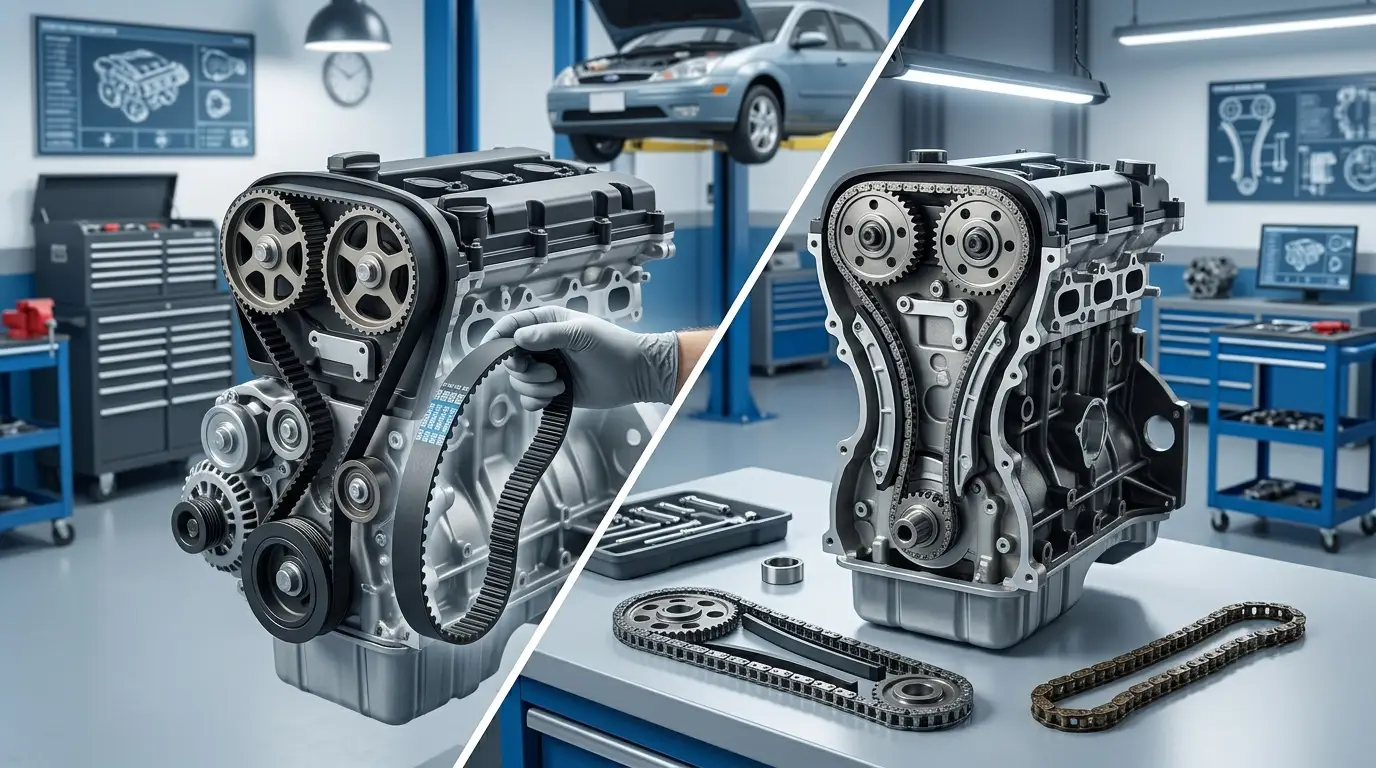
This critical sensor monitors crankshaft speed and position for proper ignition timing and fuel injection.
Key Symptoms:
Why It Fails:
Replacement usually costs $120-$300. On some engines, labor can be higher due to sensor location.
The camshaft position sensor works with the crankshaft sensor to manage valve timing.
Symptoms Include:
Failure Causes: Oil leaks, wiring issues, and high mileage. Repair costs range from $130 - $280.
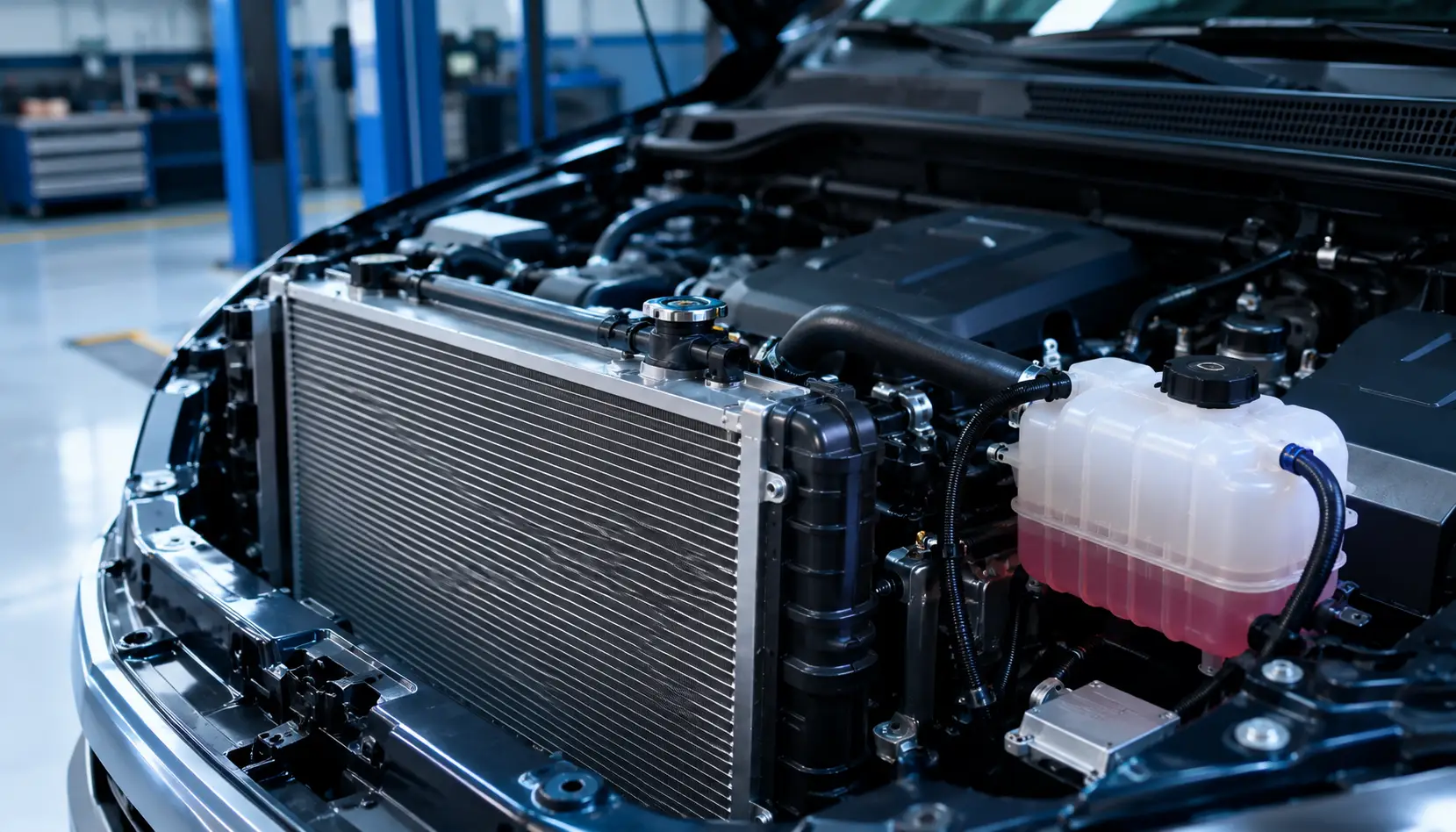
The ECT sensor monitors engine coolant temperature and influences fuel mixture, fan operation, and gauge readings.
Warning Signs:
Repair Cost: $80 - $200. Often requires partial coolant drain.
The TPS tells the ECU how far the throttle plate is open.
Common Symptoms:
Cleaning the throttle body helps in some cases; replacement costs $100 - $250.
The knock sensor detects engine pinging and allows the ECU to adjust timing.
Symptoms:
Replacement typically costs $120 - $280.
Engine sensors are exposed to heat, vibration, contamination, and age. Preventive maintenance includes:
Pro Tip: Invest in a good OBD-II scanner for early detection.
Knowing the common sensors that fail and trigger the check engine light empowers you to act quickly and avoid costly secondary damage. Most sensor-related repairs are straightforward and relatively affordable when caught early. Don’t ignore the CEL - scan for codes, address the root cause, and keep your vehicle running efficiently and emissions-compliant.
If your check engine light is on, start with a diagnostic scan and focus on the most common culprits: O2 sensor, MAF sensor, and crankshaft position sensor.
The oxygen (O2) sensor is the most frequent offender, followed by the Mass Air Flow (MAF) sensor.
Short distances are usually okay for O2 or MAF issues, but crankshaft or camshaft sensor failures can leave you stranded. Have it checked promptly.
Most single sensor replacements cost between $100 and $450 including labor. Diagnostics typically run $75 - $150.
Yes - MAF and TPS sensors often respond well to proper cleaning. Other sensors usually require replacement.
Maintain clean air filters, change oil regularly, fix leaks quickly, and perform annual OBD-II scans.