Buying auto parts can save money and time - but only if you choose quality components. Low-quality parts often fail early, reduce performance, and may even create safety hazards. While many parts look similar at first glance, important differences exist in materials, manufacturing standards, and durability.
Below is a detailed guide with essential pointers - each explained briefly - to help you identify low-quality auto parts before making a purchase.
If the price seems too good to be true, it probably is.
Very low prices often indicate cheaper materials, poor quality control, or counterfeit products. Reliable parts rarely sell far below market value.
Packaging often reflects the manufacturer’s professionalism.
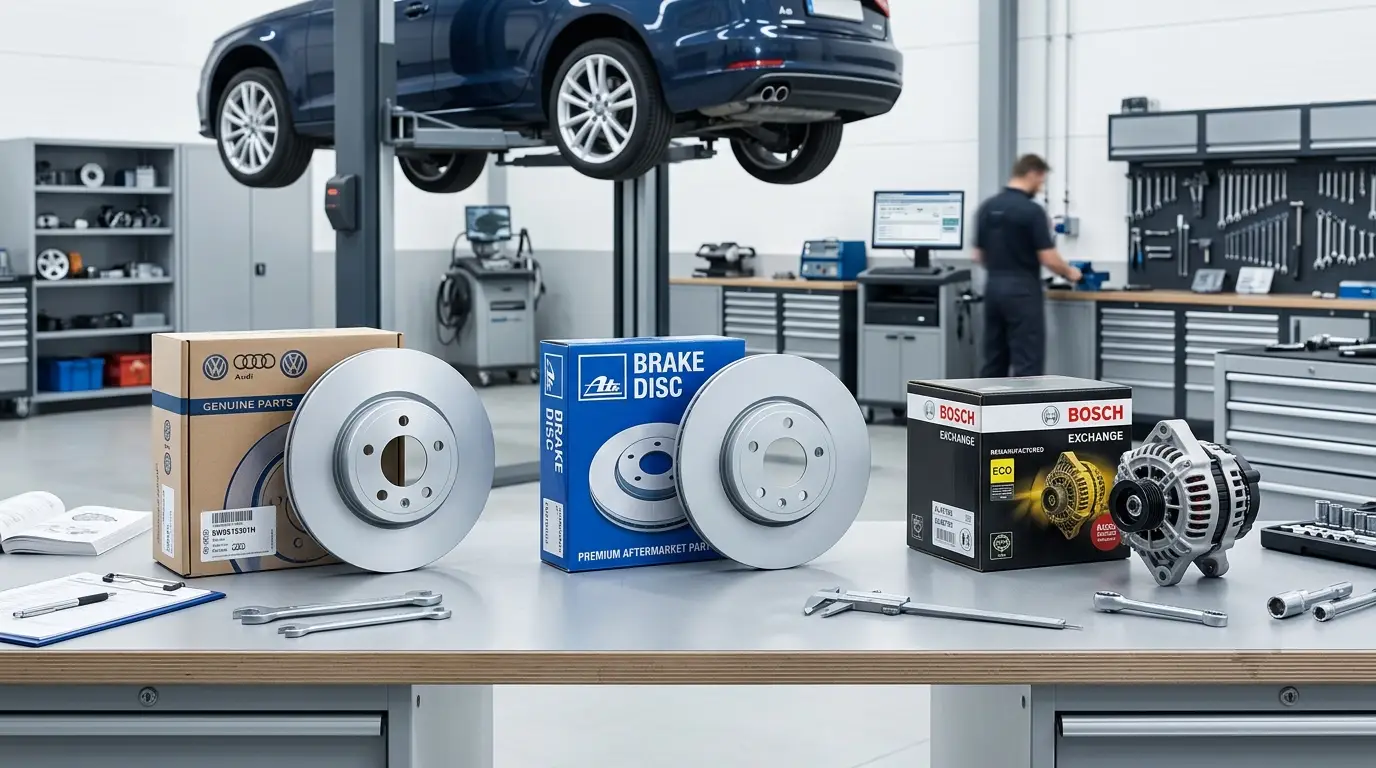
Reputable brands invest in secure, well-designed packaging. Sloppy packaging can signal poor production standards.
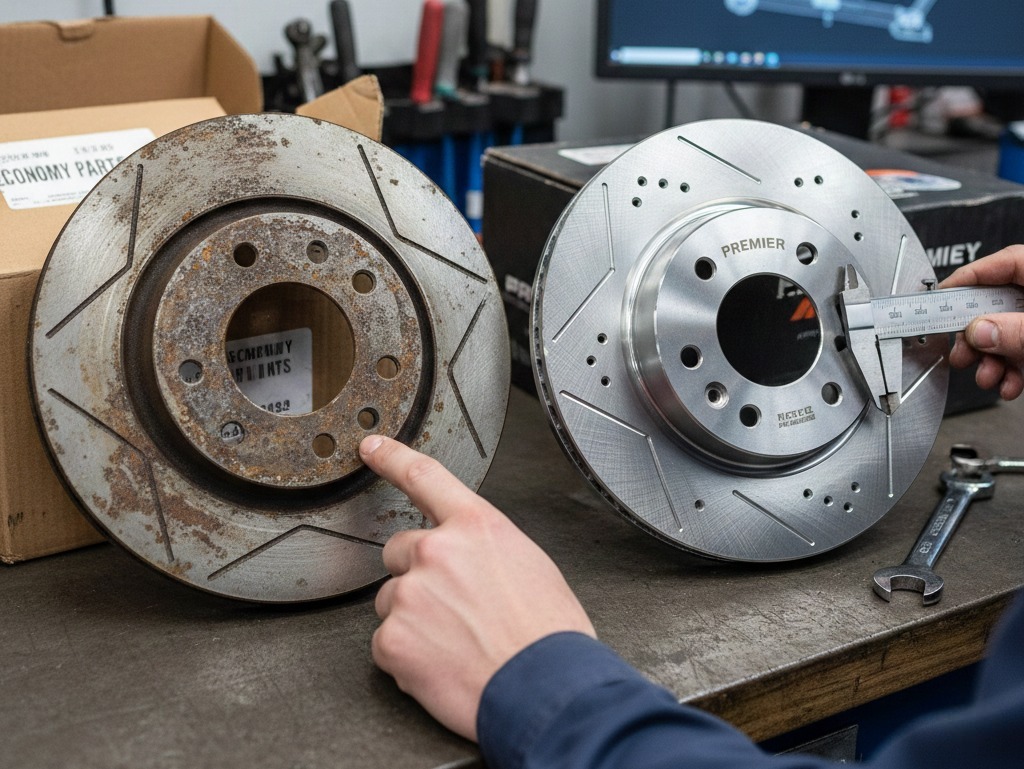
The durability of a part depends heavily on the materials used.
Inferior materials wear faster, crack under pressure, and fail prematurely.
Precision manufacturing ensures proper performance.
Poor finishing may lead to installation problems and improper fitment.
Quality parts meet industry safety standards.
Parts lacking certifications may not meet safety or durability requirements.
Established brands protect their reputation through consistent quality.
Customer experiences reveal real-world performance beyond marketing claims.
A strong warranty shows manufacturer confidence.
Low-quality parts often come with limited or no warranty protection.
Counterfeits mimic popular brands but lack quality control.
Counterfeit parts may look authentic but are often unsafe and unreliable.
Weight can indicate material strength.
Lighter parts may use thinner or weaker materials that reduce durability.
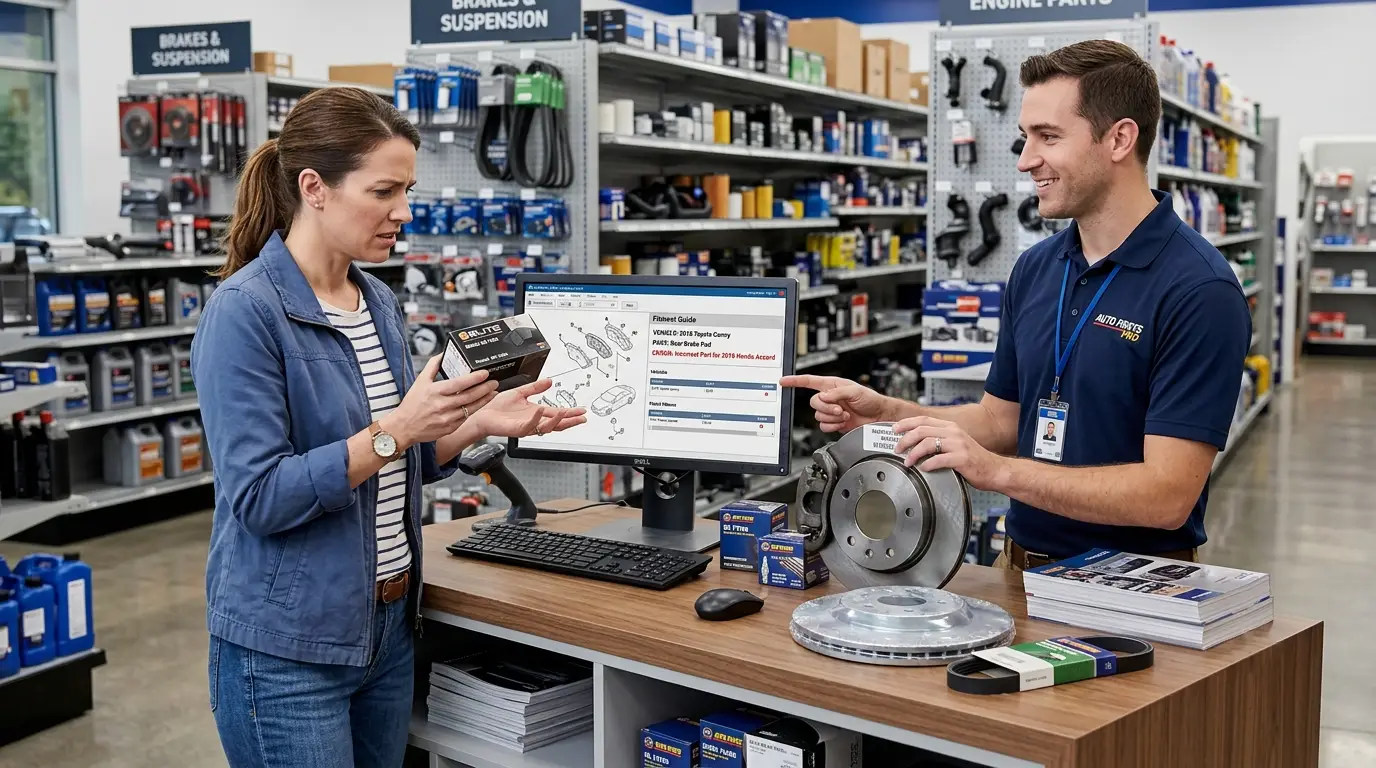
Correct compatibility is critical for performance and safety.
Improper fitment can cause malfunction, wear, or safety issues.
Electronics require precise engineering.
Low-quality electrical parts may trigger warning lights or system failures.
Protective coatings extend part lifespan.
Poor coating increases rust risk, especially in harsh climates.
The seller is just as important as the product.
Reliable sellers typically offer better quality assurance and support.
Professional documentation reflects production standards.
Clear instructions reduce installation errors and indicate manufacturer attention to detail.
Cheap parts can become expensive over time.
A low upfront price often leads to higher long-term expenses.
Never compromise quality for essential systems.
Failure in these systems can directly impact vehicle control and passenger safety.
Experienced mechanics recognize reliable brands.
Professional insight can prevent costly purchasing mistakes.
Spotting low-quality auto parts requires attention, research, and careful comparison. From pricing and packaging to certifications and seller credibility, every detail provides clues about product reliability.
Investing in quality auto parts protects your vehicle’s performance, ensures safety, and reduces long-term repair costs. When you choose wisely, you’re not just buying a part - you’re protecting your investment and peace of mind.
Not always, but major price differences often indicate inferior materials or reduced manufacturing standards.
Buy from authorized sellers, check serial numbers, and carefully inspect packaging and branding.
A warranty shows the manufacturer stands behind the products durability and performance.
Not always, but significantly lighter parts may indicate thinner materials and reduced strength.
Yes. Inferior parts can wear quickly and cause additional stress or damage to surrounding systems.