Summer heat can push your vehicle’s cooling system to its limits. High temperatures, traffic congestion, long highway drives, and increased air conditioning use all create additional strain on your engine. If any cooling system component is weak or worn, overheating can happen quickly - and that often leads to expensive repairs.
Below is a detailed, easy-to-follow guide in pointer format to help you identify which cooling system parts should be inspected and potentially replaced before summer arrives.
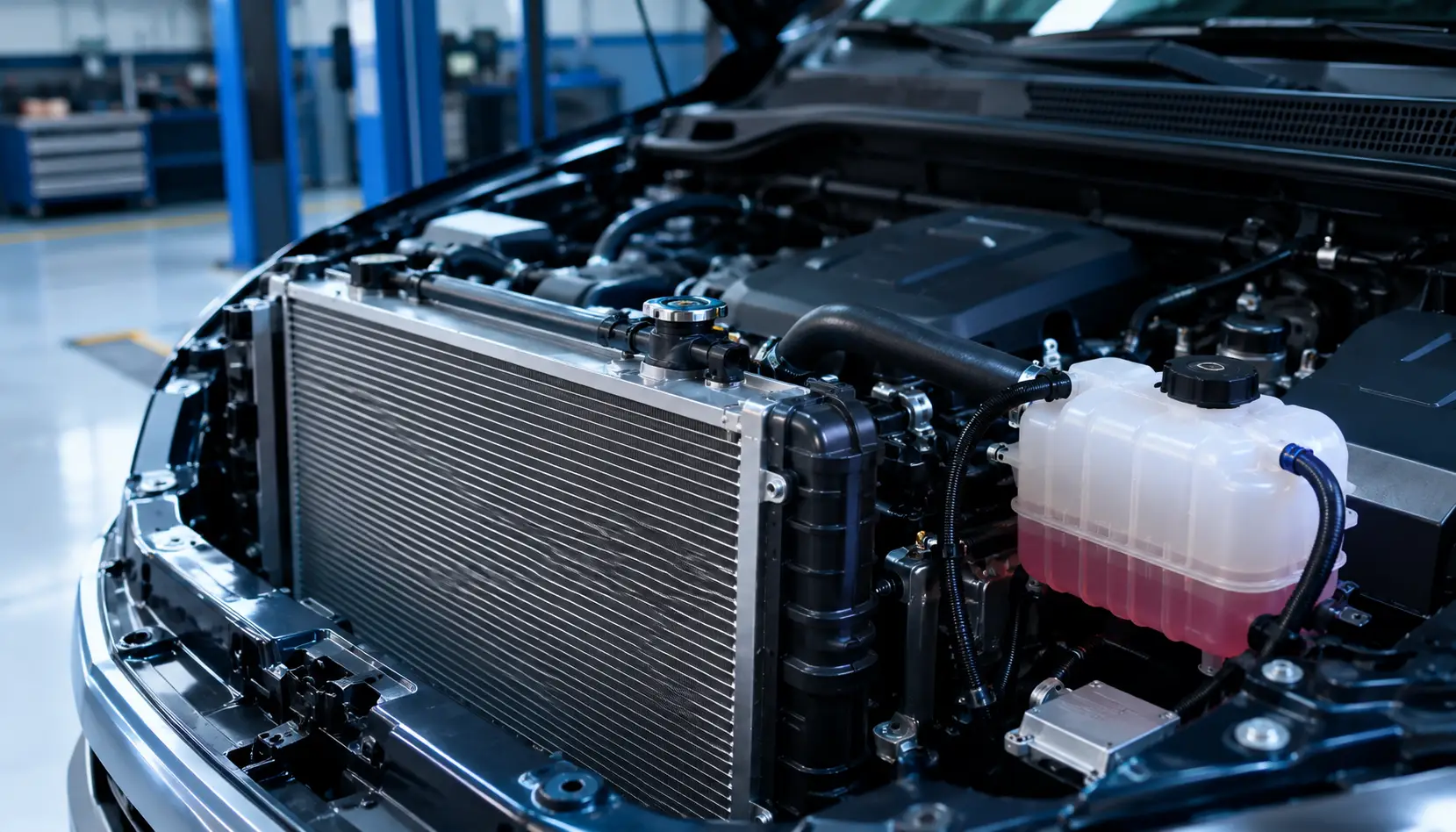
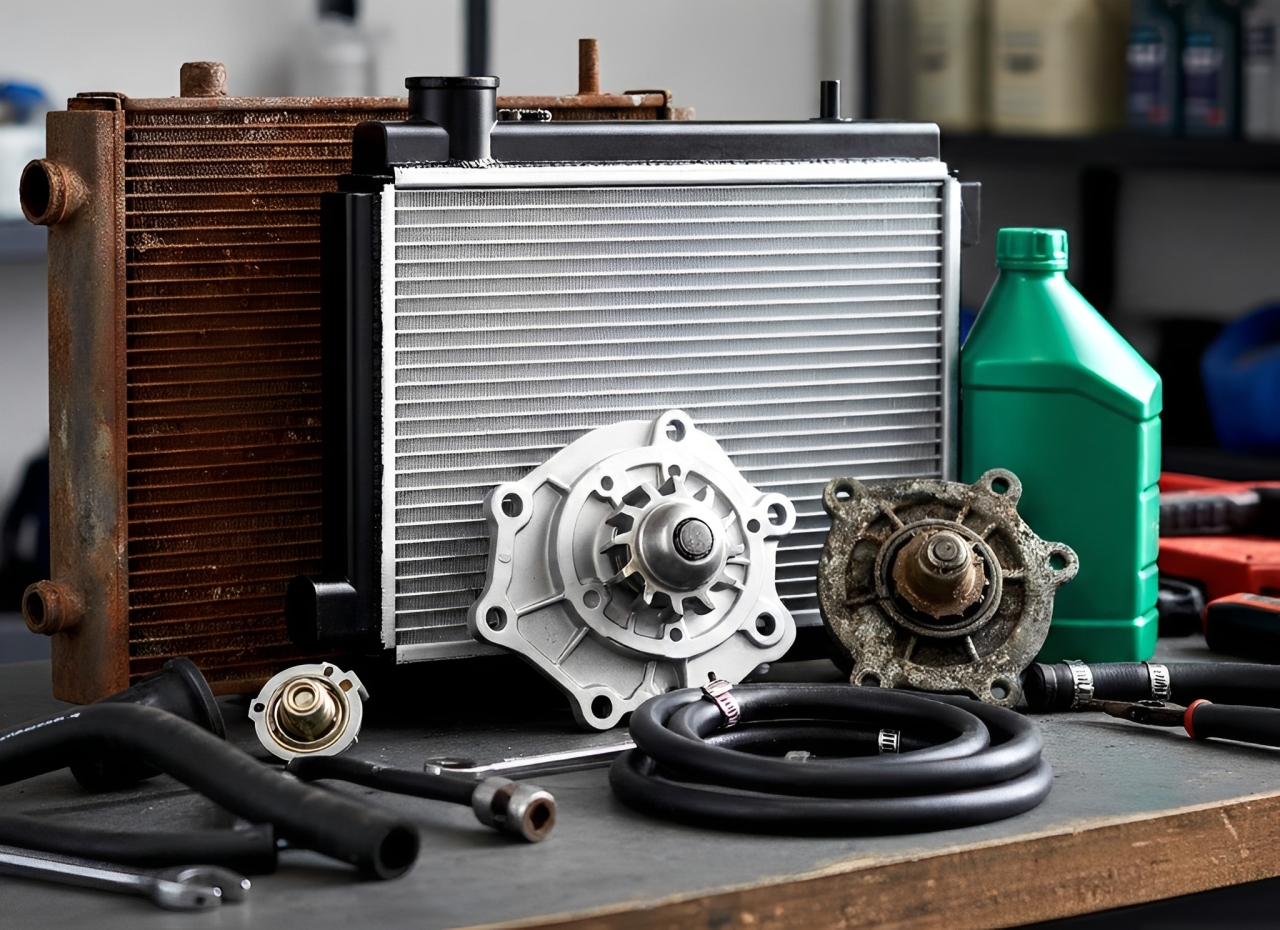
The radiator dissipates heat from the coolant.
A failing radiator reduces heat transfer efficiency. Replacing a corroded or leaking radiator before summer prevents sudden overheating in extreme heat.
Hoses transport coolant between car engine and radiator.
Heat and pressure weaken hoses over time. A burst hose can drain coolant instantly and cause rapid engine overheating.
Regulates coolant flow based on engine temperature.
A faulty thermostat can block coolant flow or cause inefficient temperature regulation.
Maintains proper engine temperature and prevents corrosion.
Old coolant loses protective properties and reduces cooling efficiency during hot weather.
Circulates coolant throughout the engine.
A failing water pump stops coolant circulation, leading to immediate overheating.
Help cool the radiator when airflow is limited.
Cooling fans are especially important during traffic or idling in summer heat.
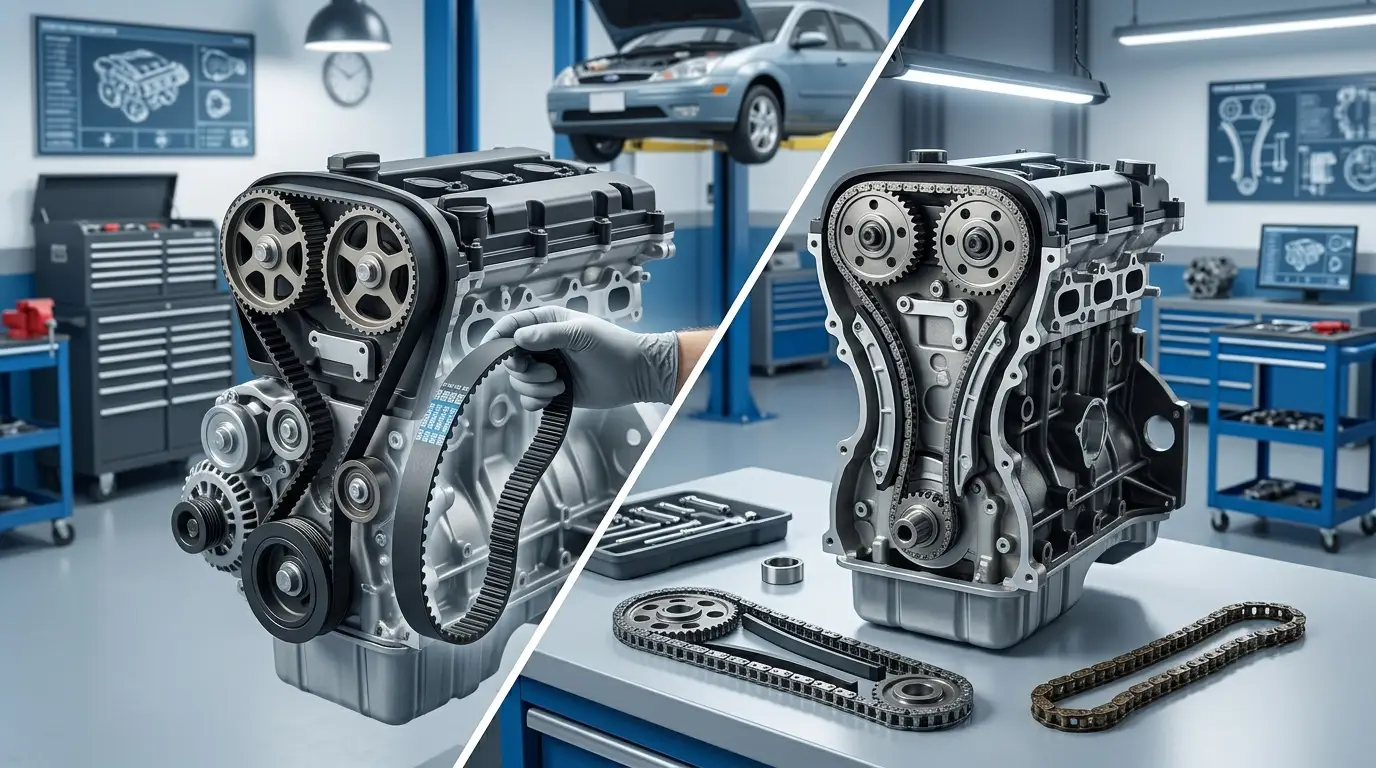
Powers the water pump and other engine components.
A broken belt can instantly disable the cooling system.
Maintains proper cooling system pressure.
A faulty radiator cap reduces pressure, lowering coolant boiling point and increasing overheating risk.
Stores excess coolant and maintains system balance.
A damaged reservoir can cause coolant loss and affect system performance.
Part of the cooling system that affects cabin heating.
While not typically replaced unless faulty, leaks in the heater core can reduce coolant levels.
Monitor engine temperature and communicate with vehicle systems.
Accurate readings are critical for preventing overheating damage.
Secure hoses and prevent coolant leaks.
Even small leaks can worsen under summer heat and pressure.
Removes rust, debris, and sediment buildup.
Clean passages improve heat transfer and system efficiency.
Ignoring these signs during summer can result in warped cylinder heads or blown head gaskets - repairs that are far more expensive than preventative maintenance.
Summer driving increases engine load, especially when using air conditioning or towing. A strong cooling system ensures your vehicle maintains optimal operating temperature.
Preparing your cooling system before summer is a smart investment in your vehicle’s reliability. Replacing worn components like hoses, thermostat, water pump, coolant, belts, and radiator cap can significantly reduce overheating risks.
Preventative maintenance is always more affordable than emergency repairs. When temperatures rise, your cooling system should be ready to handle the heat - not struggle against it.
Typically every 2–5 years, depending on manufacturer recommendations.
High temperatures, increased engine load, low coolant levels, or failing cooling components.
No. Even small leaks can quickly lead to overheating and severe engine damage.
Yes, especially in high-mileage vehicles, as thermostats can fail without warning.
Signs include coolant leaks, unusual noises, and rising engine temperatures.