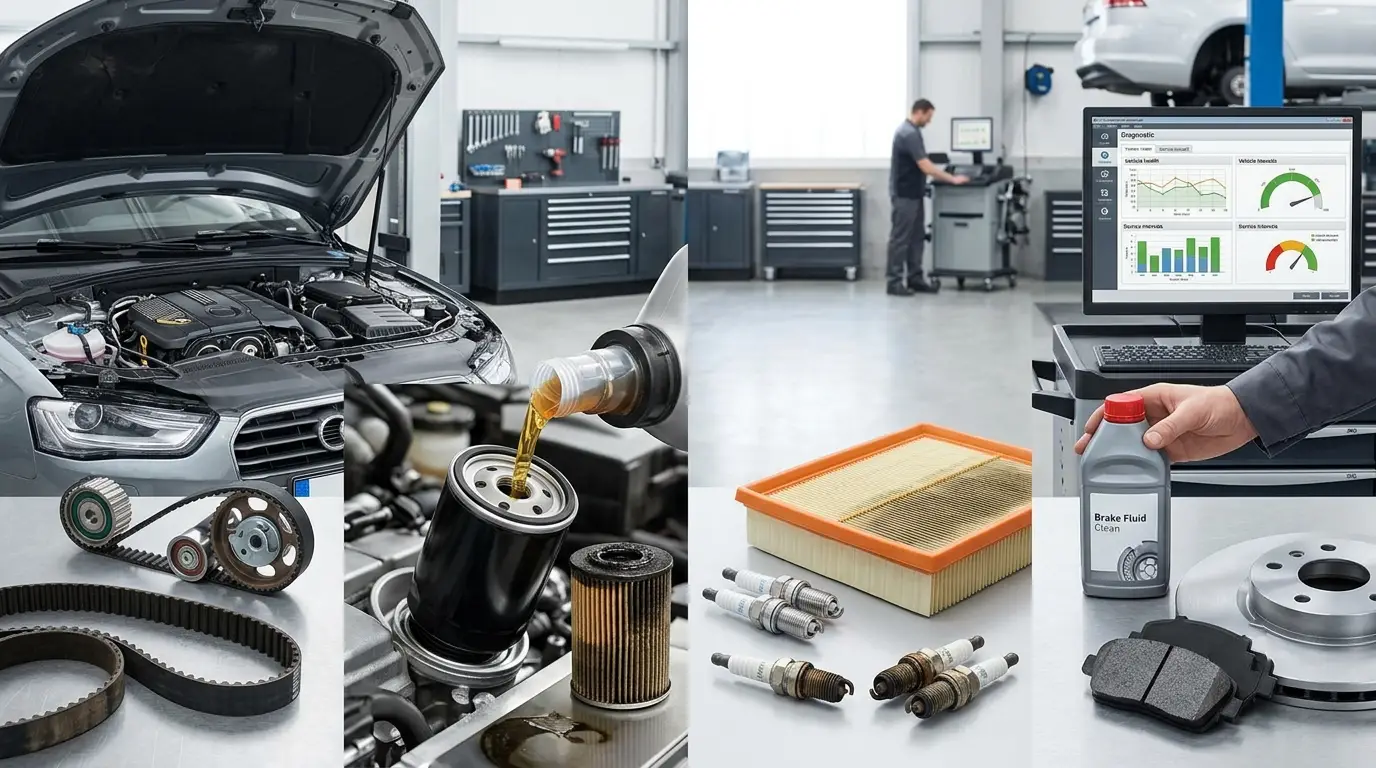
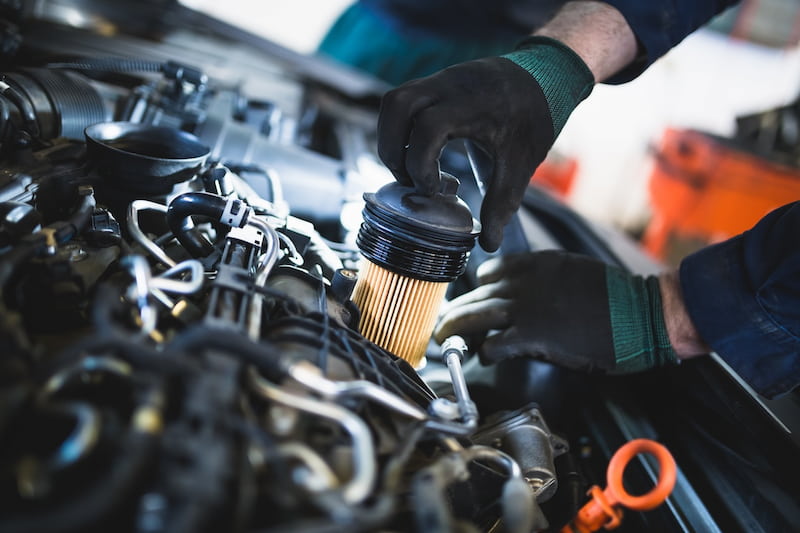
When it comes to car maintenance, replacing a single worn-out part might seem like the most cost-effective solution. But in reality, many auto components work closely together - and replacing just one can lead to uneven wear, reduced performance, or even repeated repairs.
Think of your car as a team. If one player is upgraded while others are worn out, the system becomes unbalanced. That’s why mechanics often recommend replacing certain parts together. It’s not just about convenience - it’s about efficiency, safety, and long-term savings.
Below is a detailed pointer-based guide explaining which auto parts should be replaced together and why it matters.
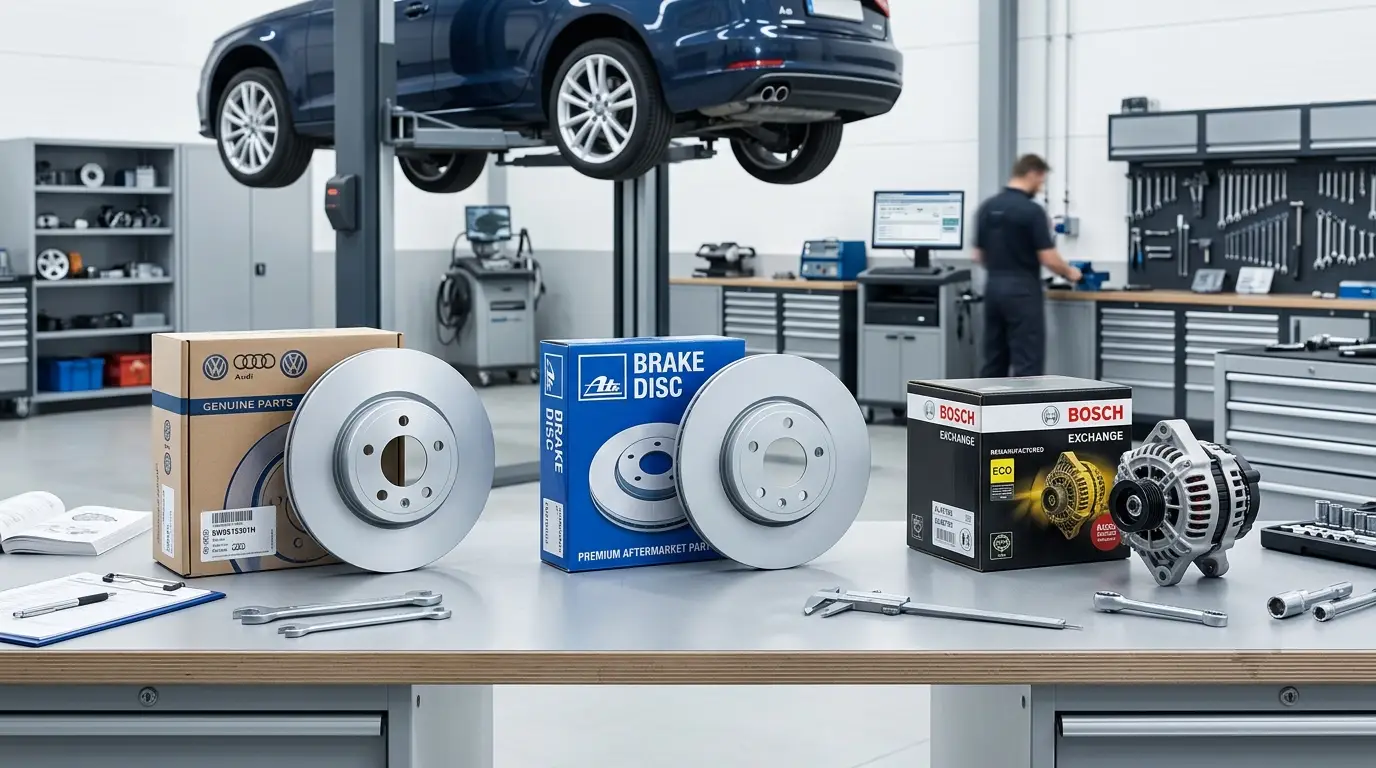
They work together to stop your vehicle.
Replacing both ensures smooth braking, better performance, and longer lifespan of new components.
Hydraulic performance depends on both.
Replacing brake fluid along with pads ensures consistent braking pressure and safety.
Both are located in the same area and wear over time.
Replacing both together saves time, labor costs, and prevents future breakdowns.
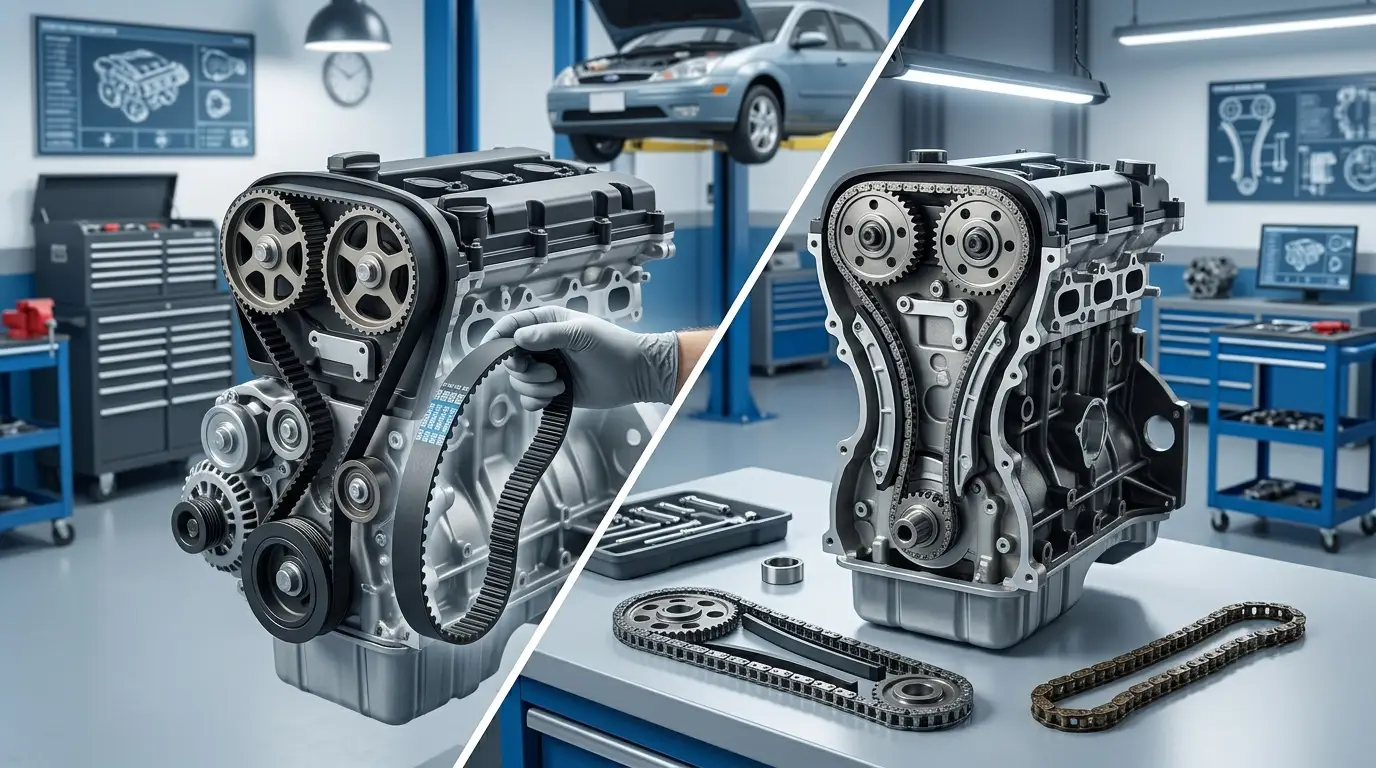
They operate as a system to drive engine accessories.
Replacing them together ensures proper belt alignment and smooth operation.
They maintain vehicle stability and comfort.
Balanced suspension improves ride quality and vehicle control.
Proper traction depends on uniform wear.
Even tread ensures better grip, braking, and fuel efficiency.
Includes clutch disc, pressure plate, and release bearing.
A complete clutch replacement ensures smooth shifting and longer lifespan.
Clean fuel flow depends on both components.
Replacing both together ensures proper fuel pressure and engine performance.
Work together to ignite fuel.
Replacing both improves fuel combustion, engine power, and fuel efficiency.
Both affect airflow and comfort.
Replacing both ensures clean air for the engine and passengers.
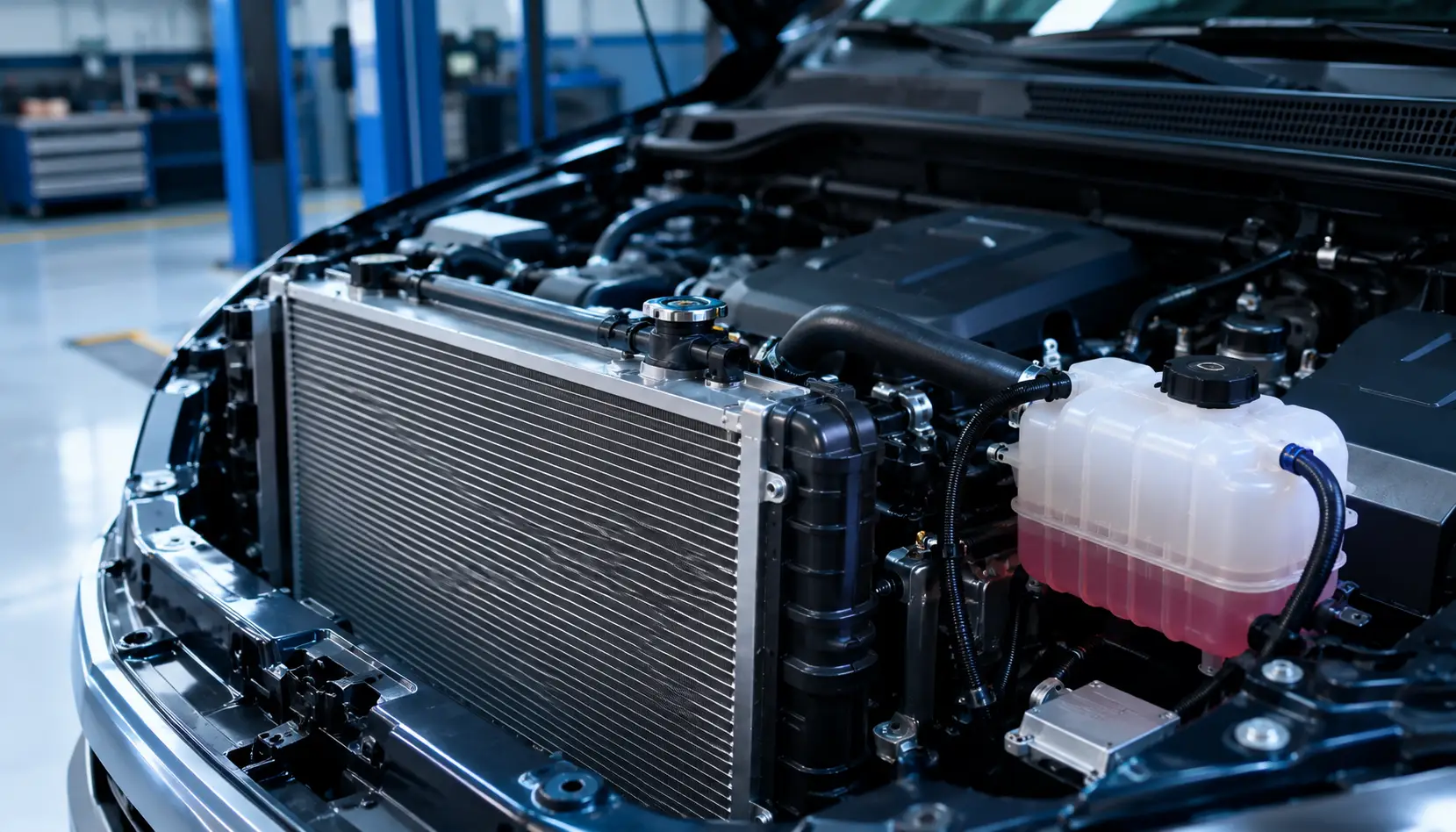
Cooling system efficiency depends on both.
Replacing them together prevents overheating and improves cooling efficiency.
Power system components rely on each other.
Testing or replacing both ensures reliable starting and electrical performance.
Critical for smooth wheel rotation.
Replacing together ensures proper alignment and reduces noise or vibration.
Ensure proper sealing of exhaust system.
Replacing small parts with major components prevents leaks and improves performance.
Work together for stability and alignment.
Improves ride comfort and prevents uneven tire wear.
Keep transmission running smoothly.
Replacing both ensures smooth gear shifting and extends transmission life.
Visibility and safety depend on consistent lighting.
Replacing both ensures balanced visibility and avoids future inconvenience.
Replacing related components together is a smarter investment than fixing issues one at a time.
Your vehicle is a system where every component works in harmony. Replacing only one worn part while ignoring related components can lead to inefficiencies, safety risks, and repeated repairs.
By understanding which parts should be replaced together, you not only save money but also improve your car’s performance and longevity. Preventative maintenance is always more cost-effective than reactive repairs.
When in doubt, consult a professional mechanic - they can recommend the best combination of replacements based on your vehicle’s condition.
Not always, but its recommended if rotors are worn to ensure optimal braking performance.
To maintain balance, stability, and consistent performance across the vehicle.
Its better to replace them as a set to ensure even performance and avoid future issues.
Yes, it reduces repeated labor costs and prevents future breakdowns.
Absolutely.