Buying auto parts online has never been easier. A few clicks, a quick search, and the part you need is on its way to your doorstep. It’s convenient, often cheaper, and gives you access to more options than your local parts store ever could.
But here’s the catch: convenience can quickly turn into frustration if the part doesn’t fit.
Proper fitment is one of the most important - and most overlooked - factors when purchasing auto parts online. A part that looks right, sounds right, and even matches the description can still be completely wrong for your vehicle. And when that happens, you’re left dealing with returns, delays, wasted time, and sometimes even installation damage.
Let’s break down why fitment matters so much, how it impacts your vehicle, and how you can avoid costly mistakes when shopping for auto parts online.
Proper fitment means the auto part you purchase is specifically designed to fit your exact vehicle configuration - including year, make, model, engine size, transmission type, trim level, and sometimes even production date.
Many drivers assume that if two cars look similar, their parts are interchangeable. That’s not always true.
For example:
Fitment is about precision, not approximation.
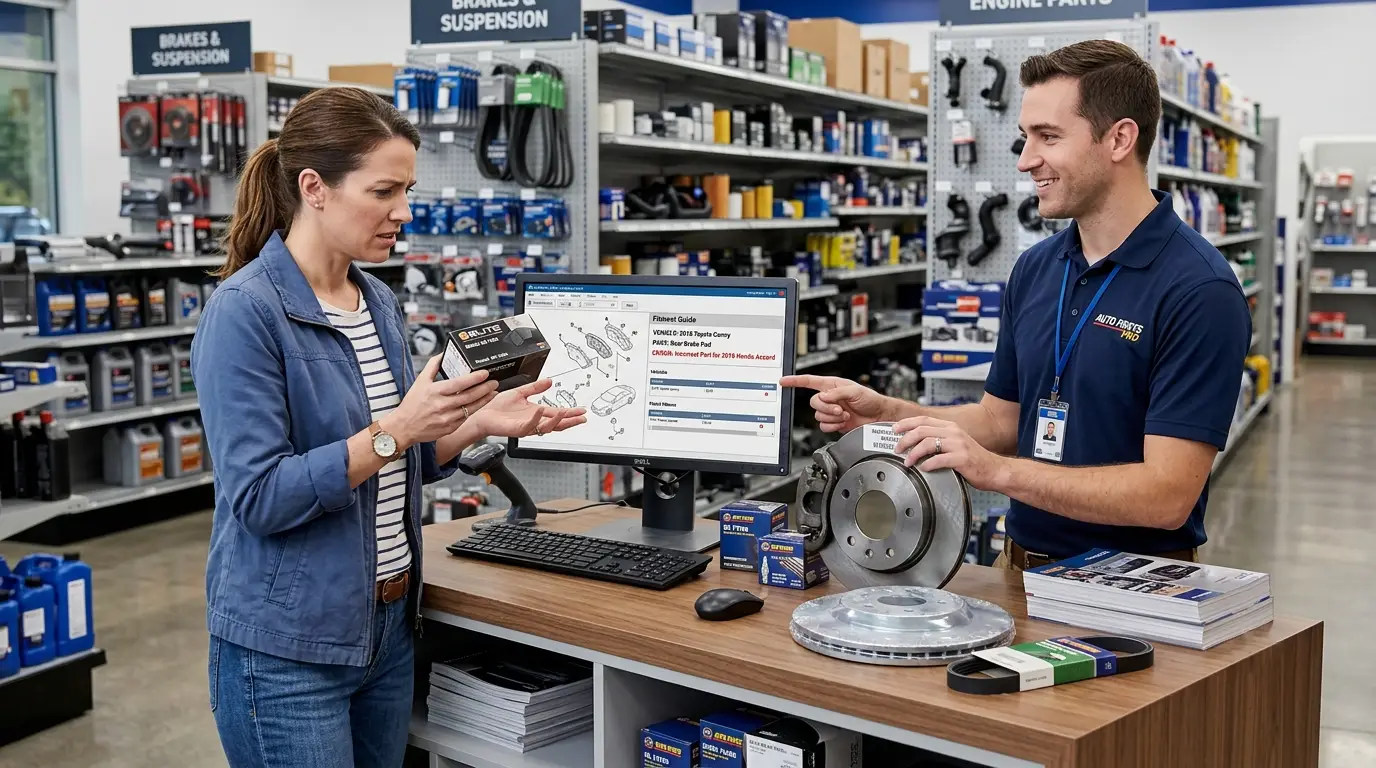
When you walk into a physical auto parts store, a specialist can help verify compatibility. Online, you’re often relying on drop-down menus, part numbers, and automated compatibility tools.
While these tools are helpful, they’re not foolproof.
Common online risks include:
Without careful verification, it’s easy to order the wrong component.
Buying the wrong part isn’t just inconvenient - it’s expensive.
Here’s what can happen:
If you’re paying a mechanic, installing the wrong part can double your labor cost.
Imagine ordering brake pads, paying for installation, only to discover they don’t align correctly. Now you’re paying twice - once to install and once to remove.
Proper fitment saves money upfront and prevents hidden costs later.
Incorrect parts don’t just waste time - they can compromise performance and safety.
For example:
Modern vehicles rely heavily on electronic communication between components. Even a slight mismatch can disrupt system performance.
Safety-critical parts should never be “close enough.” They must be exact.
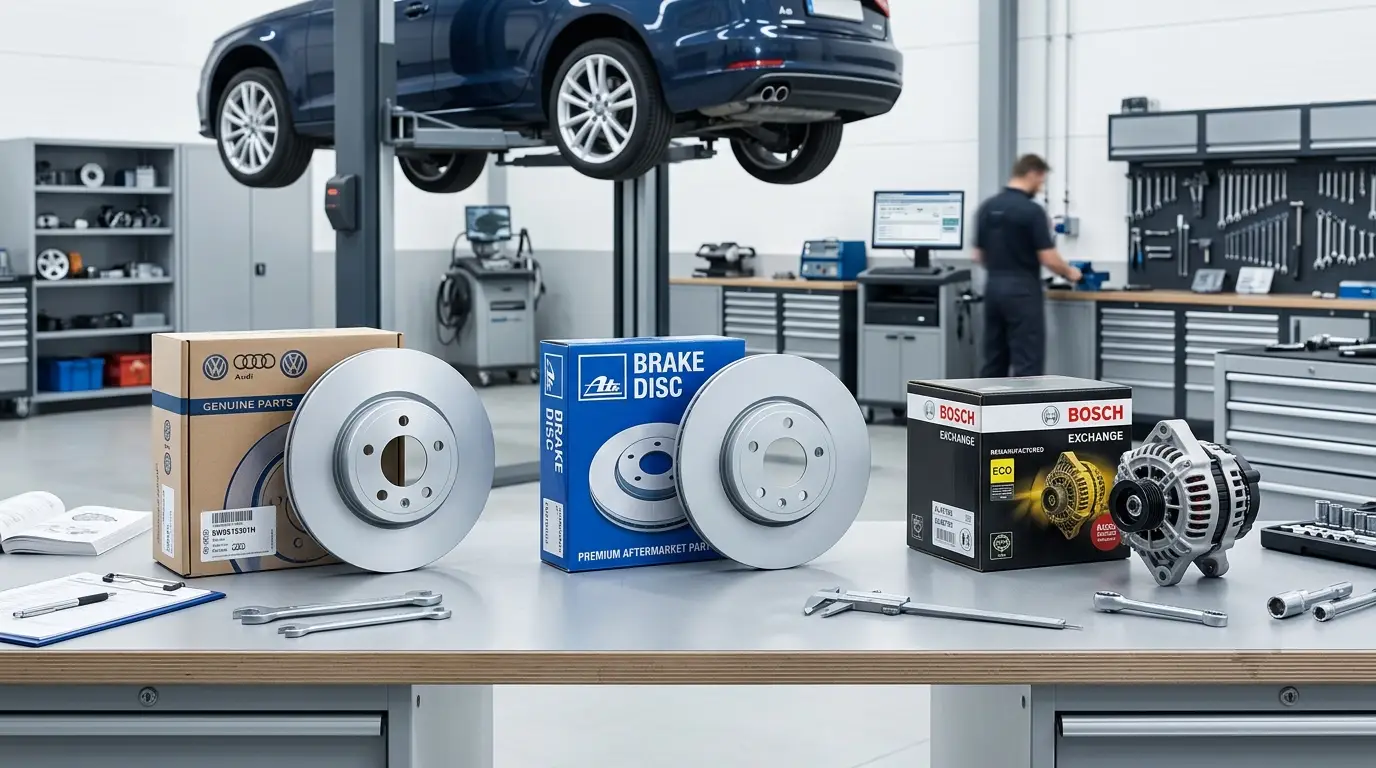
OEM (Original Equipment Manufacturer) parts are designed specifically for your vehicle. They offer precise compatibility because they match factory specifications.
Aftermarket parts vary. High-quality aftermarket manufacturers design parts to meet or exceed OEM standards. However, some lower-cost options may offer broader compatibility, sacrificing precision.
When buying aftermarket parts online:
Precision matters more than price.
Your Vehicle Identification Number (VIN) is your best friend when verifying fitment.
The VIN provides:
Many reputable online retailers allow you to enter your VIN to confirm compatibility. Using it significantly reduces the risk of ordering the wrong part.
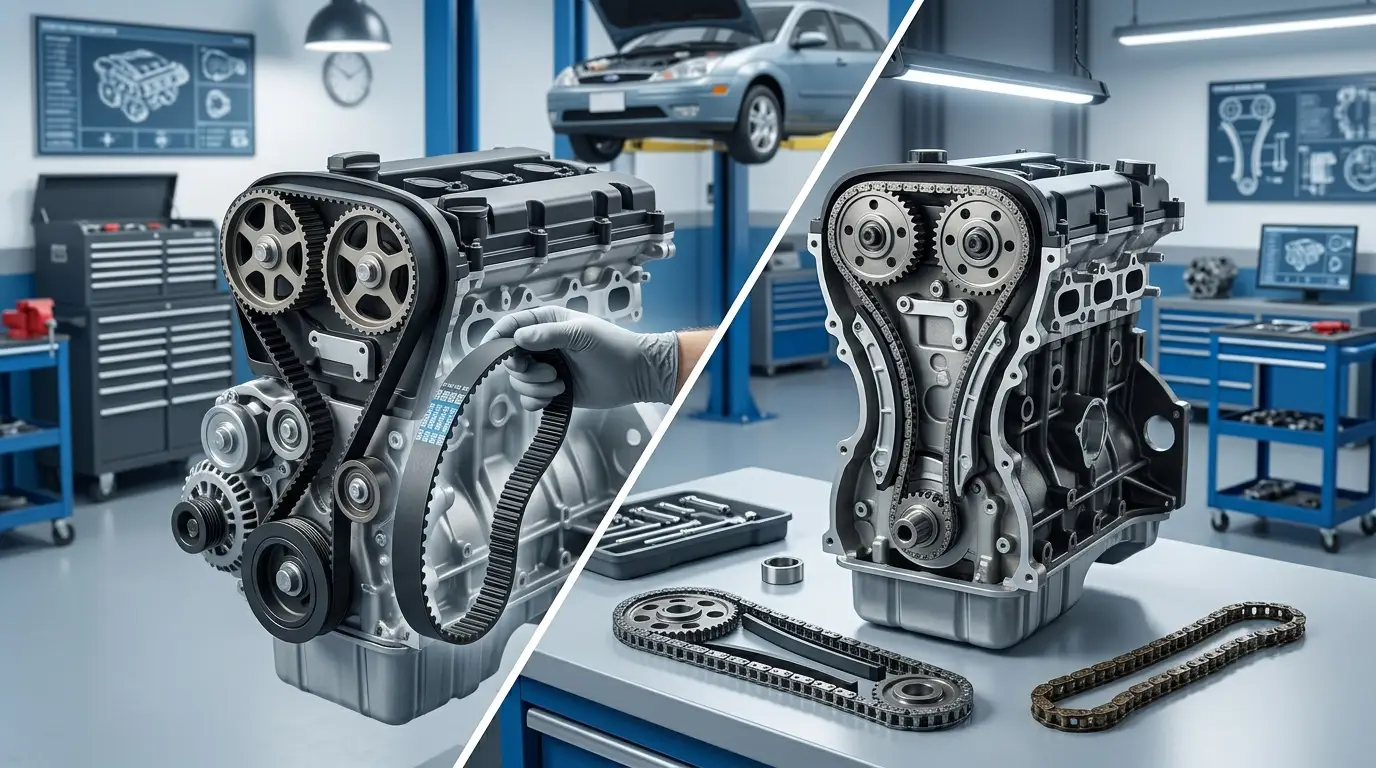
Even within the same model year, vehicles may have multiple engine options.
For example:
These differences often require different components.
Ordering parts based only on year and model isn’t enough. Engine size and drivetrain configuration must match.
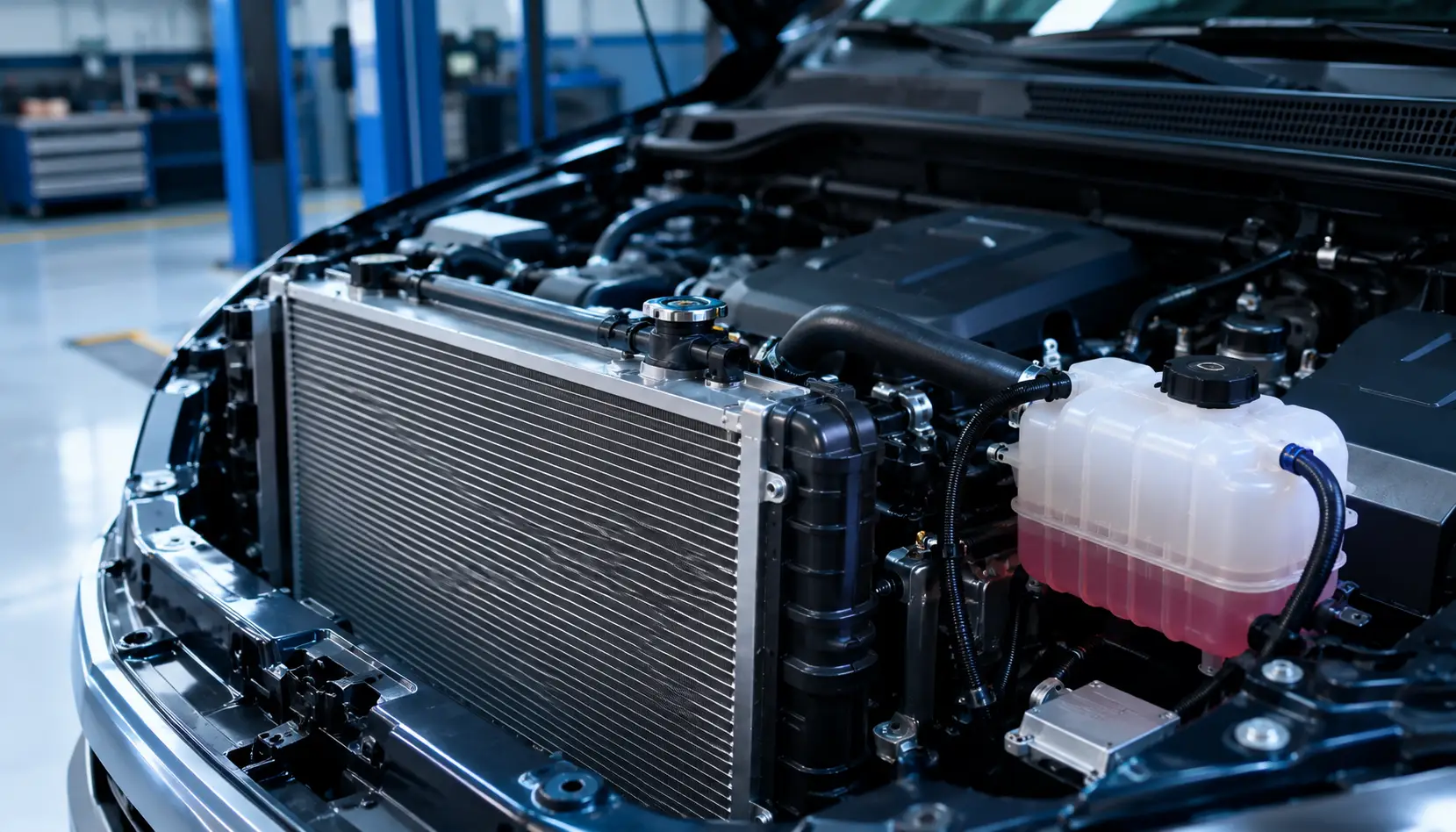
Modern vehicles are packed with sensors and electronic modules.
Improperly matched electrical components may:
In some cases, even correctly fitting parts need professional calibration. Always check whether programming is required before purchasing.
The word “universal” sounds convenient. But in the automotive world, universal rarely means perfect fit.
Universal parts may require:
While acceptable for non-critical accessories, universal parts can create headaches when used in essential systems.
Whenever possible, choose vehicle-specific parts over universal options.
Many buyers assume they can simply return a part if it doesn’t fit. While that’s technically true, the process isn’t always simple.
You may face:
If the vehicle is undrivable while you wait for a replacement, the inconvenience grows quickly.
It’s far better to get it right the first time.
Taking a few extra steps can save major frustration.
Before purchasing:
Spending five extra minutes verifying details can prevent weeks of inconvenience.
Incorrect parts can cause excessive wear on surrounding components.
For example:
Even if the part “fits,” improper compatibility may shorten your vehicle’s lifespan.
If you’re unsure about compatibility, consult a professional mechanic before purchasing. Many shops will verify part numbers for you.
This is especially important for:
Expert advice often prevents costly mistakes.
Incorrectly installed or incompatible parts can void warranties.
Manufacturers may deny claims if damage results from improper parts.
Ensuring proper fitment protects both your vehicle and any remaining warranty coverage.
Auto parts aren’t one-size-fits-all. Precision matters.
A properly fitted part ensures:
When buying auto parts online, convenience should never replace careful verification.
Proper fitment is the foundation of successful online auto parts shopping. While the internet offers unbeatable convenience and pricing, it also requires careful attention to detail. A part that doesn’t match your exact vehicle configuration can lead to wasted money, safety risks, and mechanical damage.
By verifying compatibility through VIN checks, part numbers, and manufacturer specifications, you protect your investment and ensure smooth repairs. In the world of automotive maintenance, precision always wins.
Use your VIN, confirm engine and trim details, and cross-check OEM part numbers.
Yes, OEM parts are designed specifically for your vehicles factory specifications.
It can cause poor performance, safety risks, or damage to surrounding components.
Universal parts may work for accessories but arent ideal for critical systems.
Yes, damage caused by incompatible parts may lead to denied warranty claims.