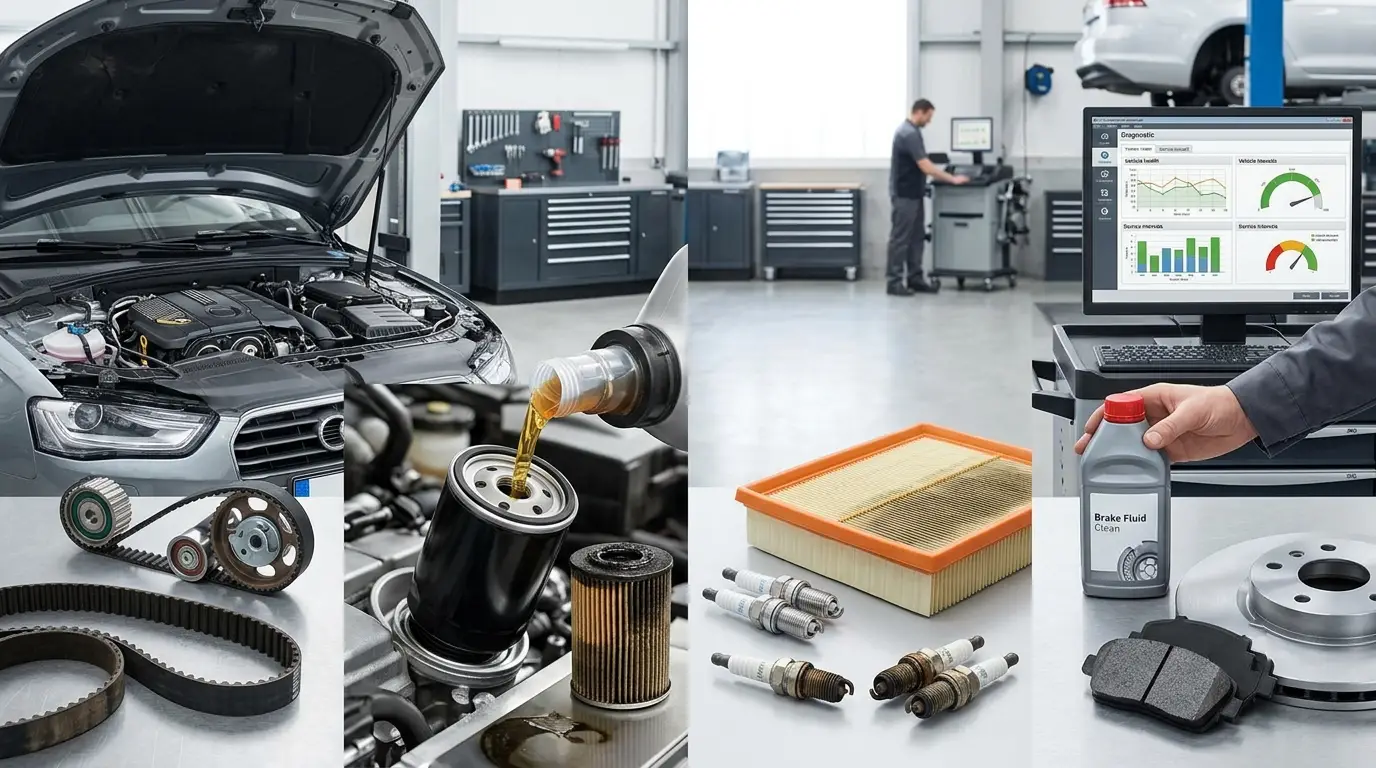
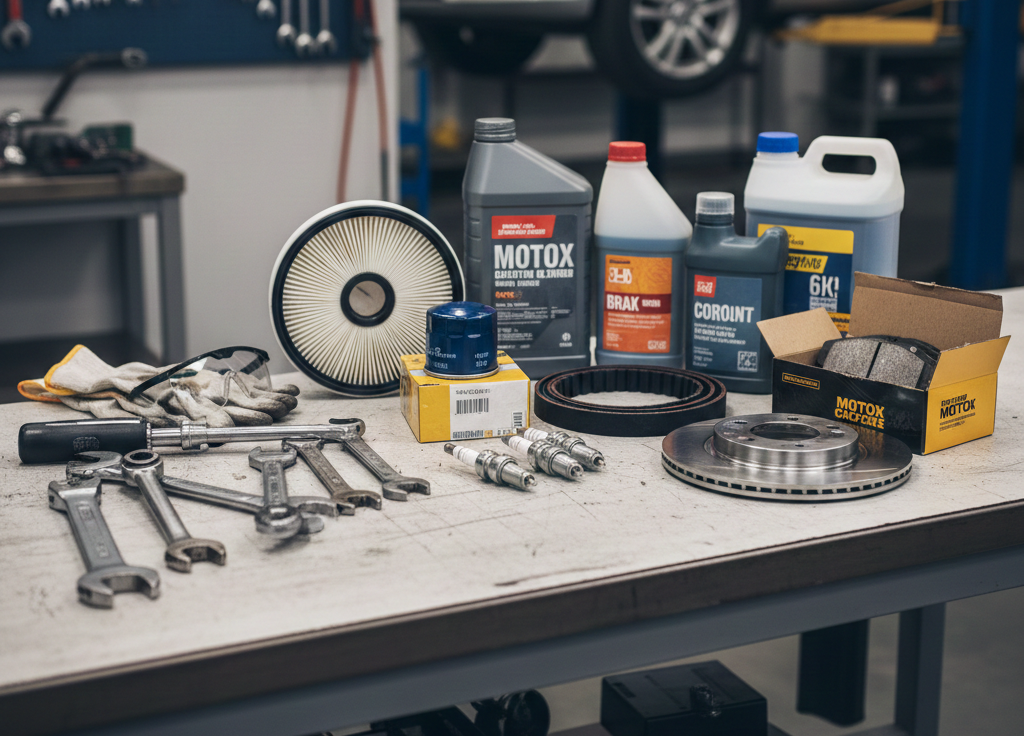
Owning a car isn’t just about filling up the gas tank and driving off into the sunset. It’s about responsibility. Your vehicle is a complex machine made up of thousands of moving parts, and like anything that works hard, it needs regular care. Skip maintenance, and small issues quietly grow into expensive problems.
The good news? Most major repairs are preventable. Replacing essential maintenance parts on schedule keeps your car reliable, safe, and efficient. It also protects your wallet from surprise breakdowns that always seem to happen at the worst possible time.
Let’s walk through the essential car maintenance parts every owner should replace on schedule - and why each one matters more than you might think.
If your engine had blood, it would be engine oil.
Oil lubricates moving parts, reduces friction, controls heat, and keeps internal components clean. Over time, oil breaks down and becomes contaminated with dirt and debris. That’s where the oil filter comes in - it traps those contaminants to prevent engine damage.
Skipping oil changes leads to sludge buildup, overheating, and eventually engine failure. It’s one of the simplest and most critical maintenance tasks.
Your car engine needs clean air to mix with fuel for proper combustion. The air filter prevents dust, debris, and contaminants from entering the engine.
A clogged air filter can cause:
Think of it like replacing a vacuum cleaner filter. The cleaner the air, the better the performance.
While the engine air filter protects the engine, the cabin air filter protects you. It filters dust, pollen, and pollutants from the air entering your vehicle’s interior.
A dirty cabin filter can cause:
Fresh air makes every drive more comfortable.
Spark plugs ignite the air-fuel mixture in your engine. Without them, your car simply won’t run.
Worn spark plugs can cause:
Replacing spark plugs on schedule keeps your engine efficient and responsive.
Brake pads create the friction needed to stop your vehicle. Over time, they wear down naturally.
Ignoring worn brake pads can lead to:
Brakes aren’t something you want to gamble with.
Brake fluid transfers the force from your foot on the pedal to the braking system.
Over time, it absorbs moisture, which can reduce braking performance and cause corrosion.
Clean brake fluid ensures consistent stopping power.
Transmission fluid lubricates gears and helps regulate temperature. Dirty or low fluid can cause rough shifting, slipping, and even transmission failure.
A transmission replacement is expensive - fluid maintenance is not.
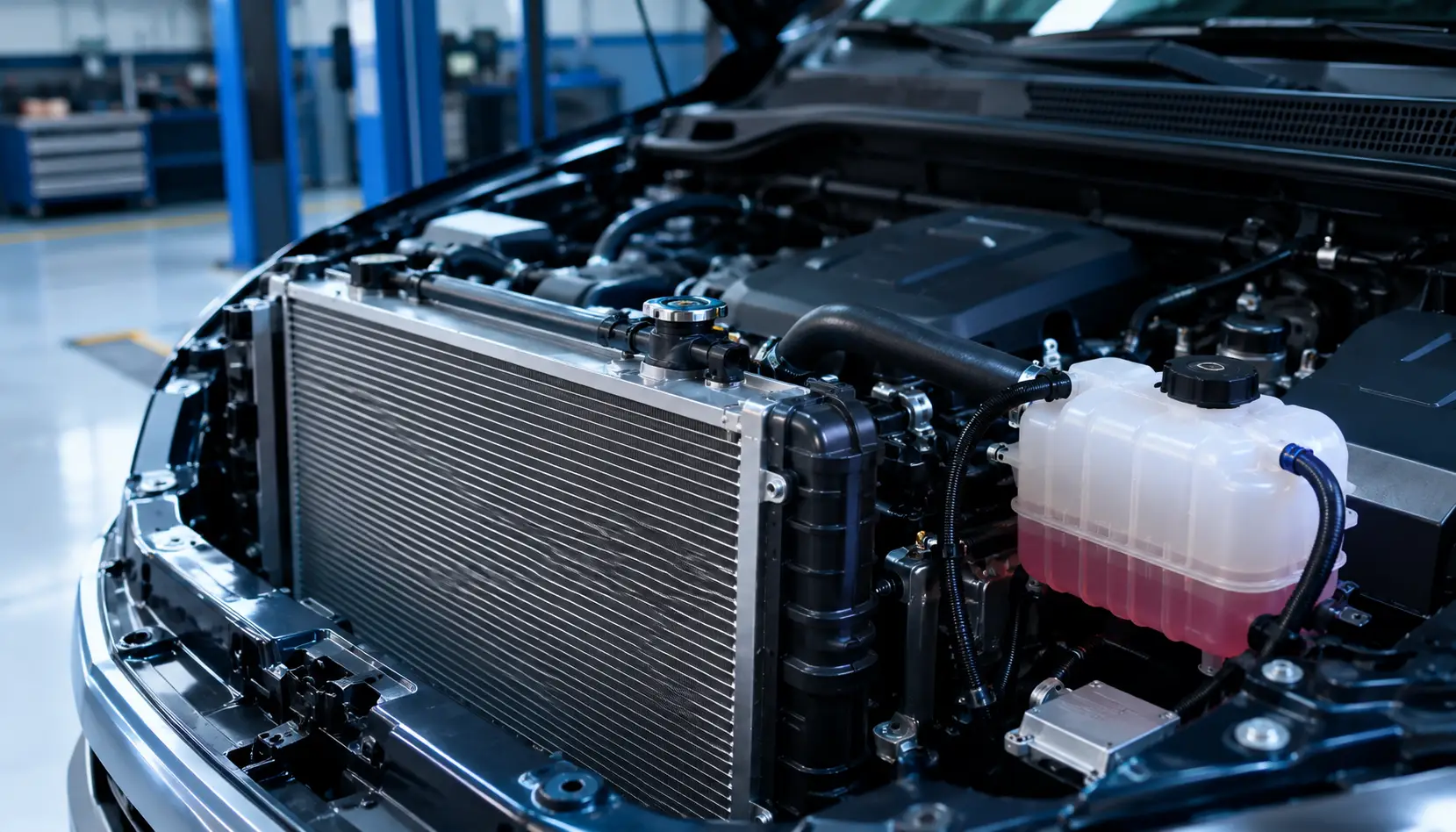
Coolant regulates engine temperature and prevents freezing in cold weather. It also protects against corrosion.
Old coolant loses effectiveness and can lead to overheating or internal damage.
An overheated engine can quickly turn into a major repair bill.
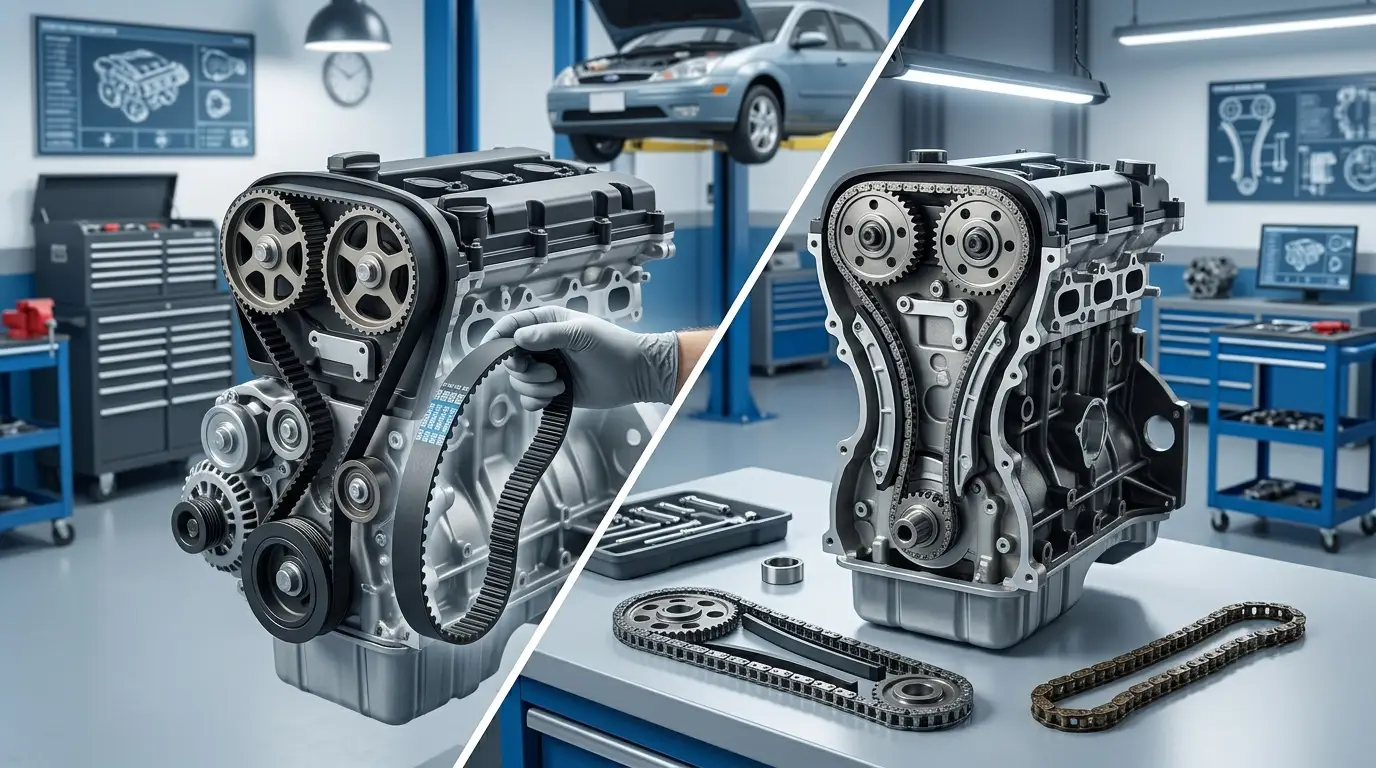
The timing belt or chain synchronizes the engine’s internal components. If it fails, it can cause severe engine damage.
This is not a part you want to ignore.
The serpentine belt drives multiple components, including:
Cracks or wear can lead to sudden system failure.
A worn belt is inexpensive to replace but costly if it breaks unexpectedly.
Your car battery powers the electrical system and starts the engine.
Batteries weaken over time, especially in extreme temperatures.
Testing your battery regularly can prevent unexpected no-start situations.
Wiper blades may seem minor, but they’re essential for visibility during rain and snow.
Streaking or squeaking blades are clear signs it’s time for new ones.
Tires affect braking, handling, and safety. Worn tires reduce traction and increase stopping distance.
Regular rotations extend tire life and promote even wear.
The fuel filter removes contaminants from fuel before it reaches the engine.
A clogged fuel filter can cause:
Shocks and struts affect ride comfort and handling.
Worn suspension parts can lead to:
Routine maintenance might feel repetitive, but it’s far cheaper than emergency repairs. Small investments in scheduled replacements prevent major mechanical failures.
Think of it like dental care. Regular cleanings prevent root canals.
Replacing essential maintenance parts on schedule isn’t optional it’s the key to long-term vehicle reliability. From engine oil and brake pads to belts, filters, and fluids, every component plays a role in keeping your car safe and efficient.
Proactive maintenance reduces stress, prevents breakdowns, and saves money over time. Treat your car well, and it will return the favor mile after mile.
Engine oil and the oil filter are the most critical for engine longevity.
Follow your owners manual schedule and watch for dashboard warning lights.
Yes. Ignoring small maintenance tasks can lead to costly repairs or breakdowns.
Absolutely. It prevents major repairs and extends your vehicles lifespan.
Follow whichever comes first - time or mileage - to ensure proper maintenance.