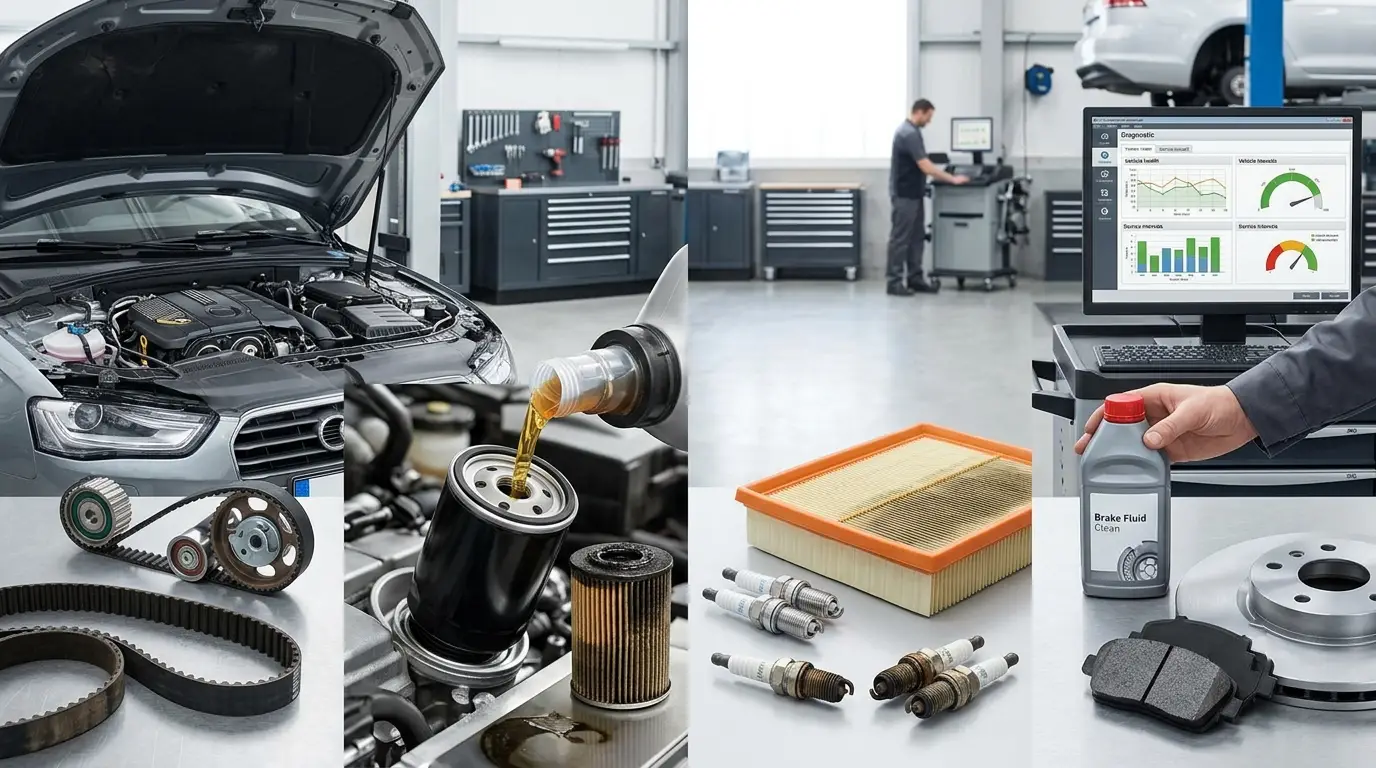
A long road trip puts your vehicle under extended stress. Highway speeds, heavy loads, temperature changes, and long driving hours demand that every major system functions properly. A small issue that seems harmless during short daily drives can quickly turn into a serious problem hundreds of miles from home.
To help you travel safely and confidently, here is a combined checklist and detailed guide you can use before your next long journey.
• Check engine oil level using dipstick
• Inspect oil color and consistency
• Change oil if near service interval
Engine oil lubricates internal components, reduces friction, and prevents overheating. Long-distance driving increases engine workload, so clean oil is essential. Dark, gritty oil or low levels can reduce engine efficiency and cause long-term damage.
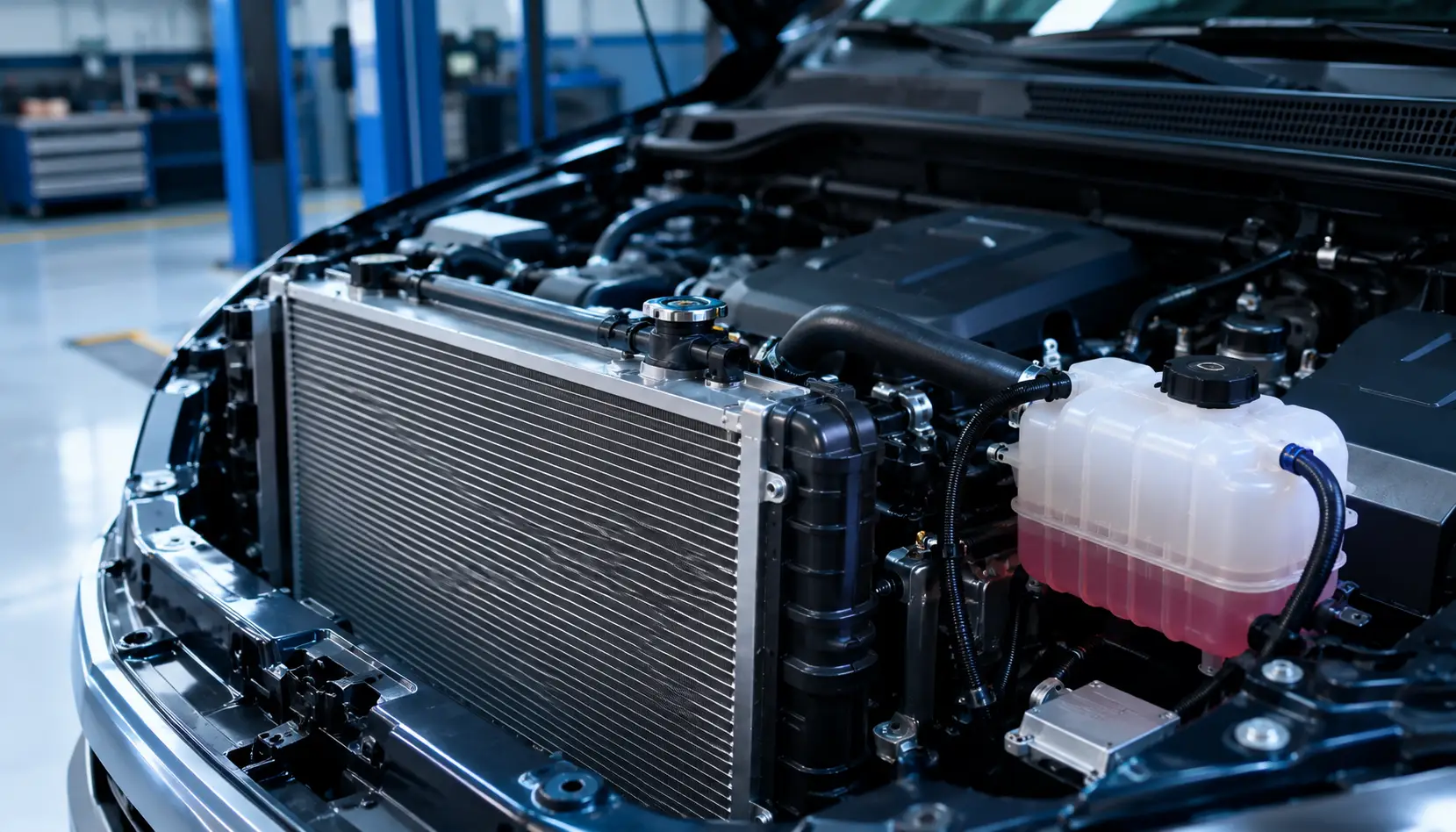
• Check coolant reservoir level
• Inspect coolant condition (not rusty or contaminated)
• Look for leaks under vehicle
• Inspect radiator for cracks or damage
• Check hoses for cracks, bulges, or brittleness
Your cooling system regulates engine temperature. Continuous highway driving and hot weather can push it to the limit. Weak hoses or low coolant can lead to overheating, which is one of the most common road trip breakdown causes.
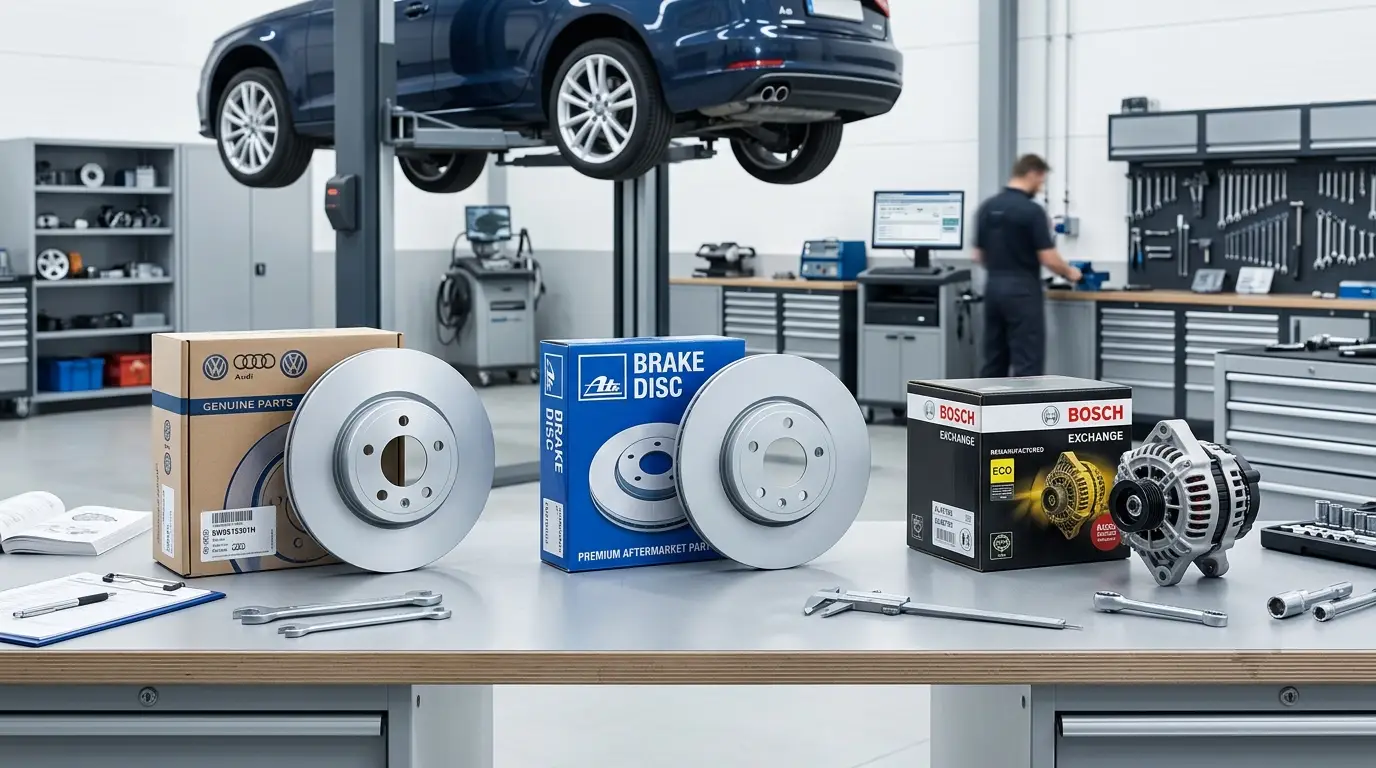
• Inspect brake pads for wear
• Check brake rotors for grooves or warping
• Test brake pedal firmness
• Check brake fluid level and clarity
• Confirm parking brake works properly
Brakes are critical for safety, especially if your trip includes mountain roads or heavy traffic. Worn brake pads or low fluid can reduce stopping power. A soft or spongy brake pedal should be addressed immediately before departure.
• Check tire pressure (including spare tire)
• Inspect tread depth
• Look for cracks, bulges, or uneven wear
• Check wheel alignment (no pulling to one side)
• Ensure lug nuts are secure
Tires are your vehicle’s only contact with the road. Proper inflation improves fuel efficiency and reduces blowout risk. Uneven tread wear may indicate alignment or suspension issues that should be corrected before extended travel.
• Inspect battery terminals for corrosion
• Ensure battery connections are tight
• Test battery if older than 3 years
• Confirm alternator is charging properly
A weak battery can fail without warning, especially when powering navigation systems, chargers, and climate control during long drives. Corroded terminals can limit performance and should be cleaned.
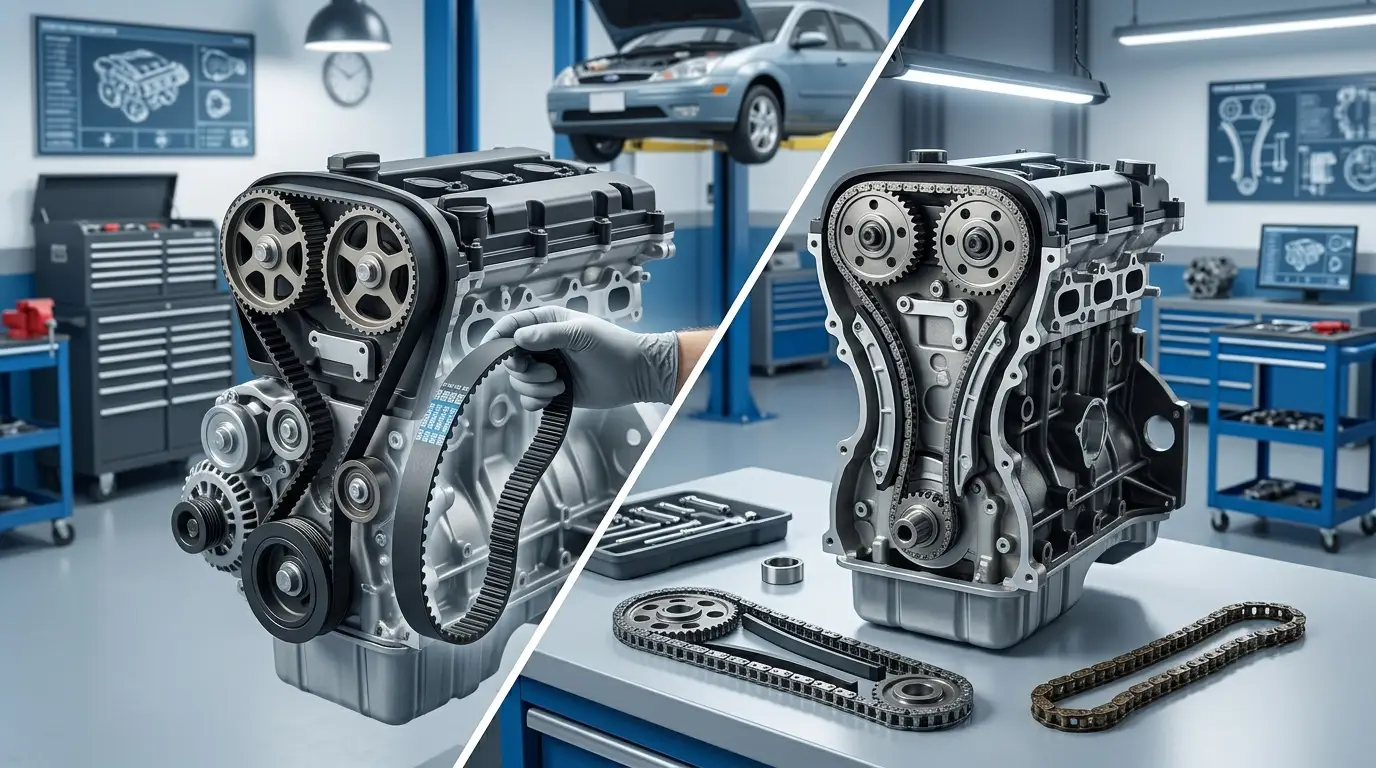
• Inspect serpentine belt for cracks or fraying
• Check timing belt replacement interval
• Listen for unusual engine noises
The serpentine belt powers essential systems like the alternator and power steering. If it fails, multiple systems stop working instantly. Replacing a worn belt before travel is far easier than dealing with a roadside breakdown.
• Check transmission fluid level
• Inspect fluid color and smell
• Ensure smooth shifting during test drive
Transmission issues can worsen during long-distance driving. Dark or burnt-smelling fluid may indicate overheating or internal wear that should be addressed before departure.
• Ensure steering feels responsive
• Check for vibrations at highway speeds
• Listen for clunking over bumps
• Inspect shocks and struts
A healthy suspension system improves ride comfort and vehicle stability. Long trips over uneven roads can stress worn components and reduce control.
• Test headlights (low and high beams)
• Check brake lights
• Inspect turn signals and hazard lights
• Replace worn windshield wipers
• Fill washer fluid reservoir
• Confirm defrosters work properly
Clear visibility is essential for safe travel, especially in rain, fog, or nighttime driving. Faulty lights not only reduce safety but can also result in traffic violations.
• Inspect engine air filter
• Check cabin air filter
• Listen for excessive exhaust noise
• Look for rattling under vehicle
• Ensure no exhaust odors inside cabin
A clean engine air filter improves fuel efficiency and performance. Exhaust leaks can reduce performance and allow harmful fumes into the vehicle.
• Check power steering fluid level
• Listen for whining noises
• Ensure smooth steering operation
Difficulty steering or unusual sounds may signal fluid leaks or pump issues that should be resolved before long-distance driving.
• Test air conditioning performance
• Ensure heater works properly
• Check airflow through vents
Functional climate control keeps drivers comfortable and alert. It also ensures proper defogging during changing weather conditions.
• Look for fluid leaks under vehicle
• Inspect for loose or hanging components
• Check protective covers or skid plates
Small leaks can become major problems during long drives. A quick visual inspection can prevent serious mechanical failures.
• Spare tire in good condition
• Jack and lug wrench
• Jumper cables
• Flashlight with batteries
• First-aid kit
• Reflective warning triangles
• Tire inflator or sealant
• Basic tool kit
• Phone charger
• Drinking water and snacks
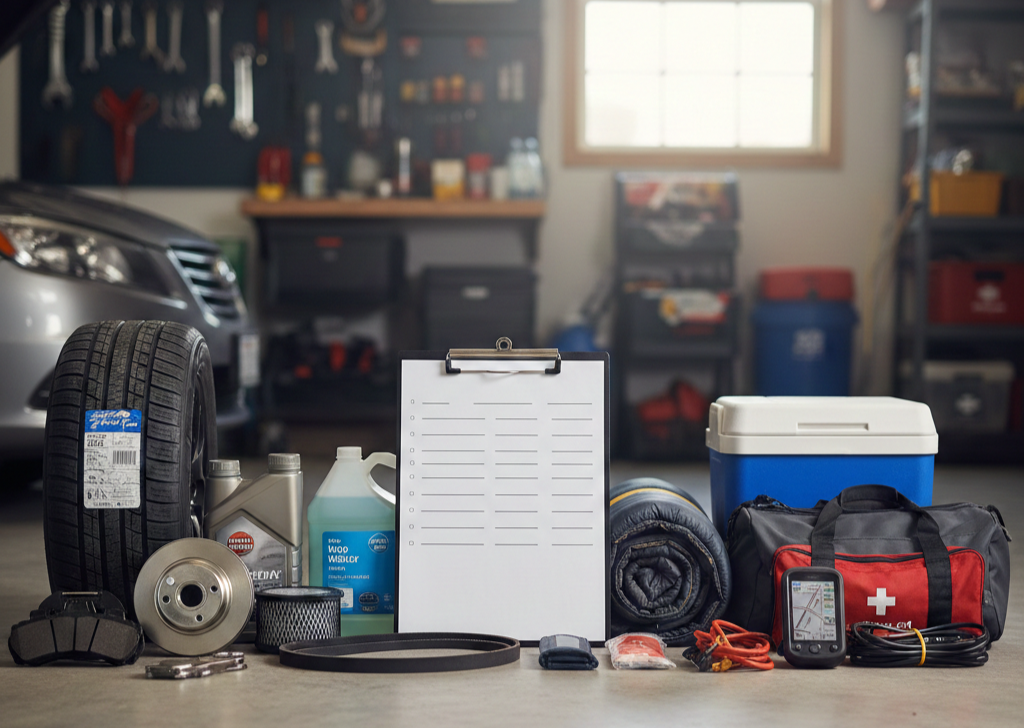
Even a well-maintained vehicle can face unexpected situations. An emergency kit ensures you’re prepared for minor roadside issues.
• No dashboard warning lights
• Fuel tank filled
• Registration and insurance accessible
• Navigation system updated
• Test drive vehicle before departure
A short test drive helps identify vibrations, noises, or warning signs before you leave town.
Preparing your vehicle before a long road trip reduces the risk of breakdowns, improves fuel efficiency, and enhances overall safety. Preventative maintenance costs far less than emergency roadside repairs.
By combining detailed inspections with this structured checklist, you can travel confidently knowing your car is ready for the miles ahead.
Road trips are meant for creating memories - not dealing with mechanical surprises. A little preparation ensures your journey stays smooth, safe, and enjoyable from start to finish.