Many vehicle owners focus on repairs only after something breaks. Unfortunately, waiting until a component fails often leads to expensive repair bills, unexpected breakdowns, and even damage to other parts of the vehicle. Preventive maintenance is different. It involves replacing certain wear-and-tear components before they fail, helping you avoid major mechanical problems and extend the life of your car.
Think of preventive maintenance as an investment rather than an expense. Spending a few hundred dollars on routine replacement parts today can save you thousands in engine, transmission, cooling system, or suspension repairs later.
Below are the most important preventive maintenance parts every vehicle owner should monitor and replace when necessary.
The most important maintenance items for car engine longevity.
Engine oil lubricates internal components, reduces friction, removes contaminants, and helps control engine temperature.
Over time:
Neglecting oil changes can lead to:
Regular oil and filter changes can prevent engine repairs that may cost thousands of dollars.
Protects your engine from dirt and debris.
The air filter prevents contaminants from entering the engine.
A clogged filter can cause:
Replacing an inexpensive air filter helps maintain optimal engine efficiency.
Improved fuel economy and reduced engine wear provide significant long-term savings.
Critical for proper combustion.
Spark plugs ignite the air-fuel mixture inside the engine.
Worn plugs can cause:
Ignoring spark plug maintenance can place additional strain on ignition components and catalytic converters.
Preventing catalytic converter damage alone can save thousands.
Protects against catastrophic engine damage.
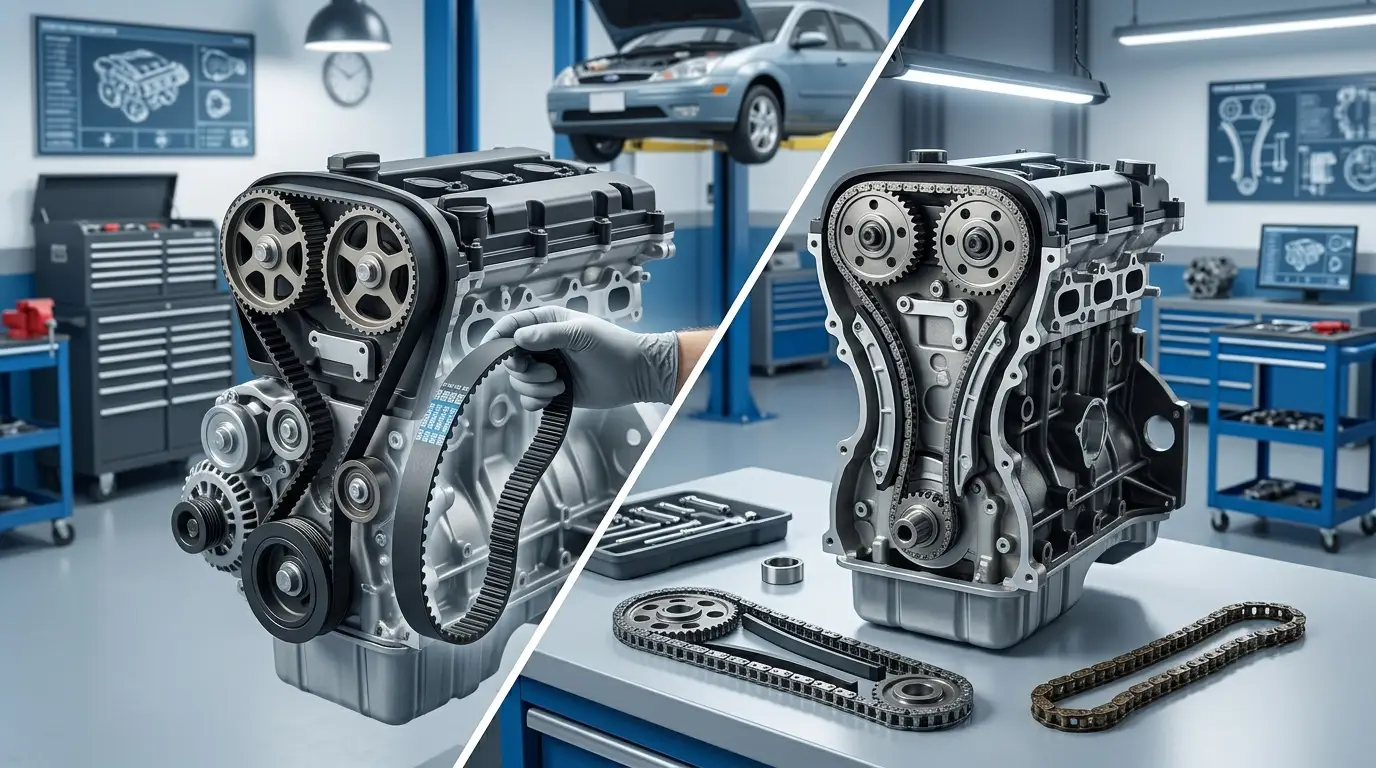
The timing system synchronizes valve and piston movement.
A failed timing belt can cause:
Vehicles with interference engines are especially vulnerable.
Replacing a timing belt on schedule is far less expensive than replacing an engine.
Powers multiple essential systems.
The serpentine belt drives:
A broken belt can leave you stranded and may lead to overheating.
Routine replacement prevents roadside breakdowns and related repairs.
Engine temperature control is essential.
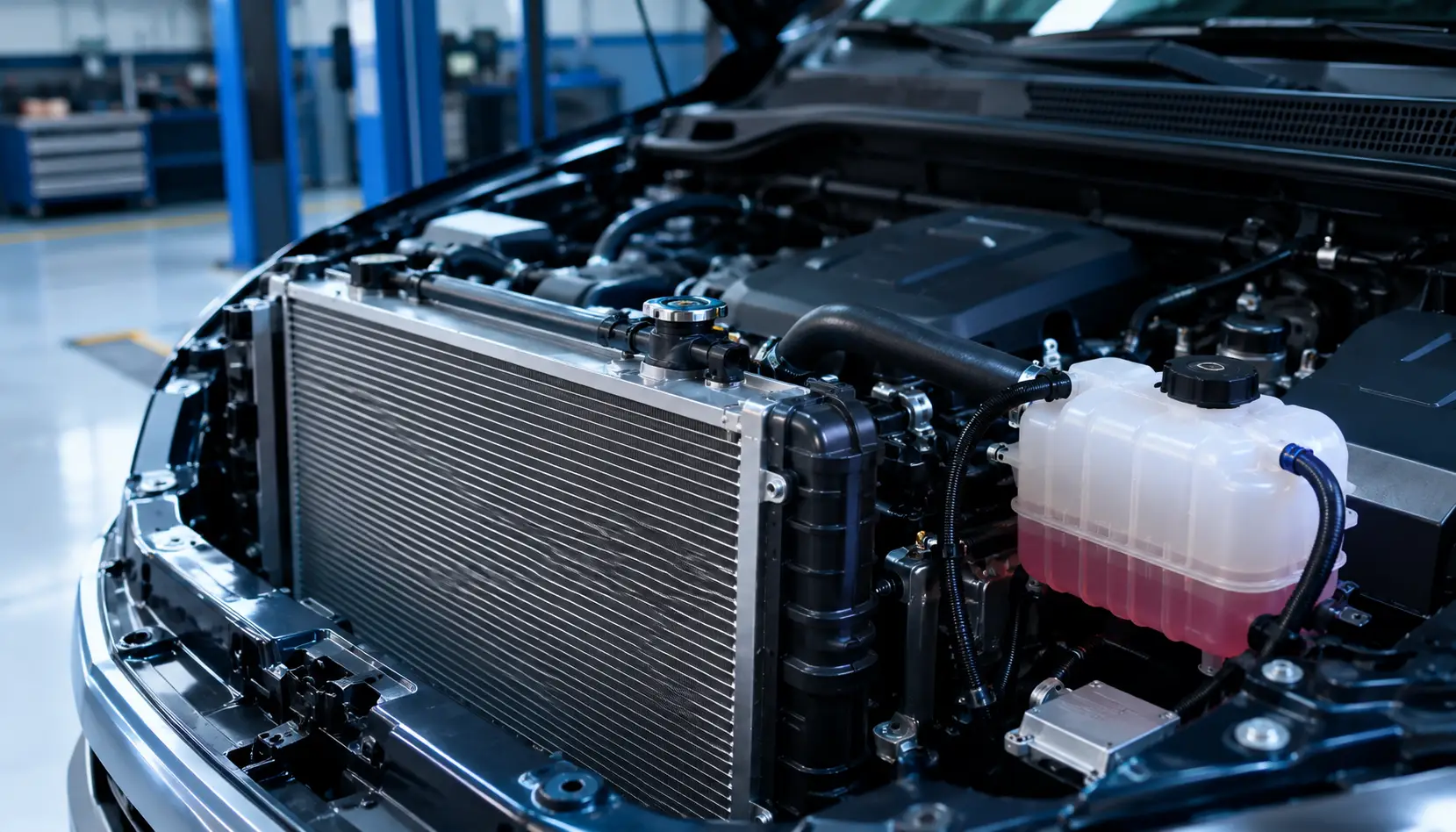
Coolant prevents overheating and corrosion.
Over time:
Failure can result in:
Preventing overheating can save thousands in engine repairs.
Small parts with a major responsibility.
Hoses transport coolant throughout the engine.
A cracked or weakened hose can:
Replacing aging hoses is inexpensive insurance.
A simple hose replacement can prevent a costly engine rebuild.
Controls coolant flow.
A faulty thermostat can:
Because thermostats are relatively inexpensive, preventive replacement often makes sense during cooling system service.
Avoids overheating-related repairs.
Keeps coolant circulating.
The water pump moves coolant through the engine and radiator.
Failure can result in:
Many technicians recommend replacing the water pump during timing belt service.
Protects against costly cooling system failures.
Essential for transmission longevity.
Transmission fluid:
Old fluid can cause:
Routine fluid service can prevent transmission repairs costing several thousand dollars.
Protect more expensive brake components.
Brake pads are designed to wear gradually.
Ignoring worn pads can damage:
Replacing pads early avoids costly rotor and caliper replacement.
Often overlooked but extremely important.
Brake fluid absorbs moisture over time.
Contaminated fluid can:
Helps avoid expensive brake system repairs.
Prevents unexpected starting problems.
A weak battery places strain on:
Testing and replacing aging batteries prevents unexpected failures.
Avoids towing expenses and electrical system stress.
Protects the fuel system.
Fuel filters remove contaminants before they reach:
Restricted fuel flow can affect performance and fuel economy.
Protects costly fuel system components.
Maintain ride quality and tire life.
Shocks and struts control vehicle movement.
Worn suspension parts can cause:
Extending tire life alone can save hundreds of dollars.
Support wheel rotation.
Wheel bearings allow wheels to spin smoothly.
Worn bearings can lead to:
Early replacement prevents more extensive repairs.
Protects hubs, tires, and suspension components.
Small investment, major safety benefit.
Worn blades reduce visibility during rain and snow.
Replacing them regularly improves driving safety and prevents windshield scratching.
Protects expensive windshield glass.
Preventive maintenance reduces:
It also increases:
The most expensive repair is often the one that could have been prevented.
Watch for:
Addressing small issues early prevents larger problems later.
Preventive maintenance is one of the smartest investments a vehicle owner can make. Components such as oil filters, spark plugs, timing belts, coolant hoses, brake pads, and transmission fluids may seem inexpensive compared to major repairs, but they play a critical role in protecting your vehicle's most expensive systems.
Replacing these parts on schedule helps avoid breakdowns, extends vehicle life, improves reliability, and can save thousands of dollars over the years. The key is consistency. Small maintenance expenses today often prevent major repair bills tomorrow.
Regular engine oil and filter changes are among the most cost-effective preventive maintenance services available.
Follow your vehicle manufacturers maintenance schedule, as intervals vary by vehicle and component.
Yes. Replacing inexpensive wear items is significantly less expensive than repairing major component failures.
Ignoring oil changes and cooling system maintenance are among the leading causes of engine failure.
Absolutely. A documented maintenance history often increases buyer confidence and vehicle value.