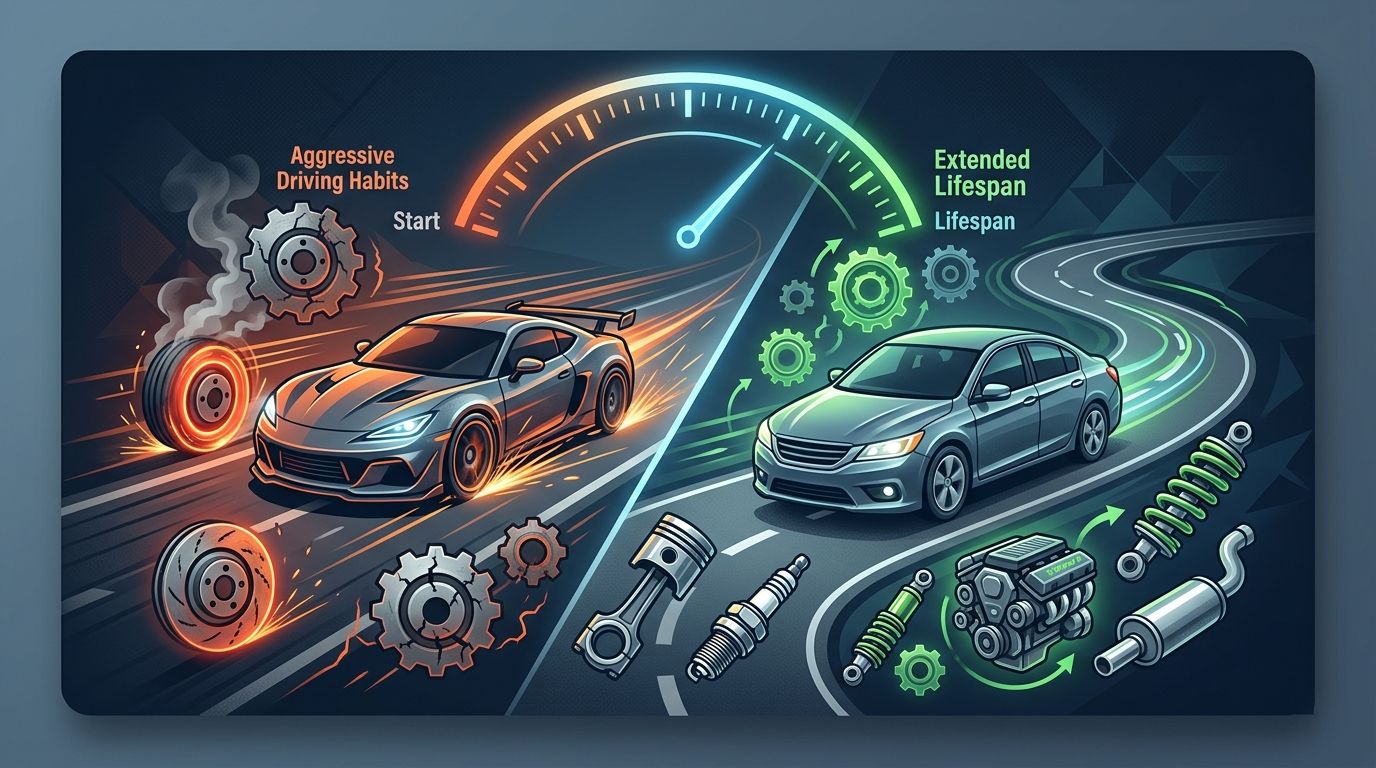
Most drivers think auto parts wear out only because of age or mileage. That is only part of the story. The way you drive every day has a direct impact on how quickly your car parts wear down. Two vehicles can be the same age, have the same mileage, and still show very different levels of wear simply because of how they were driven.
Think of your car like a pair of running shoes. Use them gently, and they last. Use them hard every day on rough ground, and they wear out much faster. Your vehicle works the same way. Every sharp turn, sudden stop, rough road, and hard acceleration leaves a mark on the parts working underneath.
Below is a clear pointer-based guide explaining how driving habits affect the lifespan of your auto parts and what you can do to help them last longer.
Brakes handle more stress when stopping suddenly.
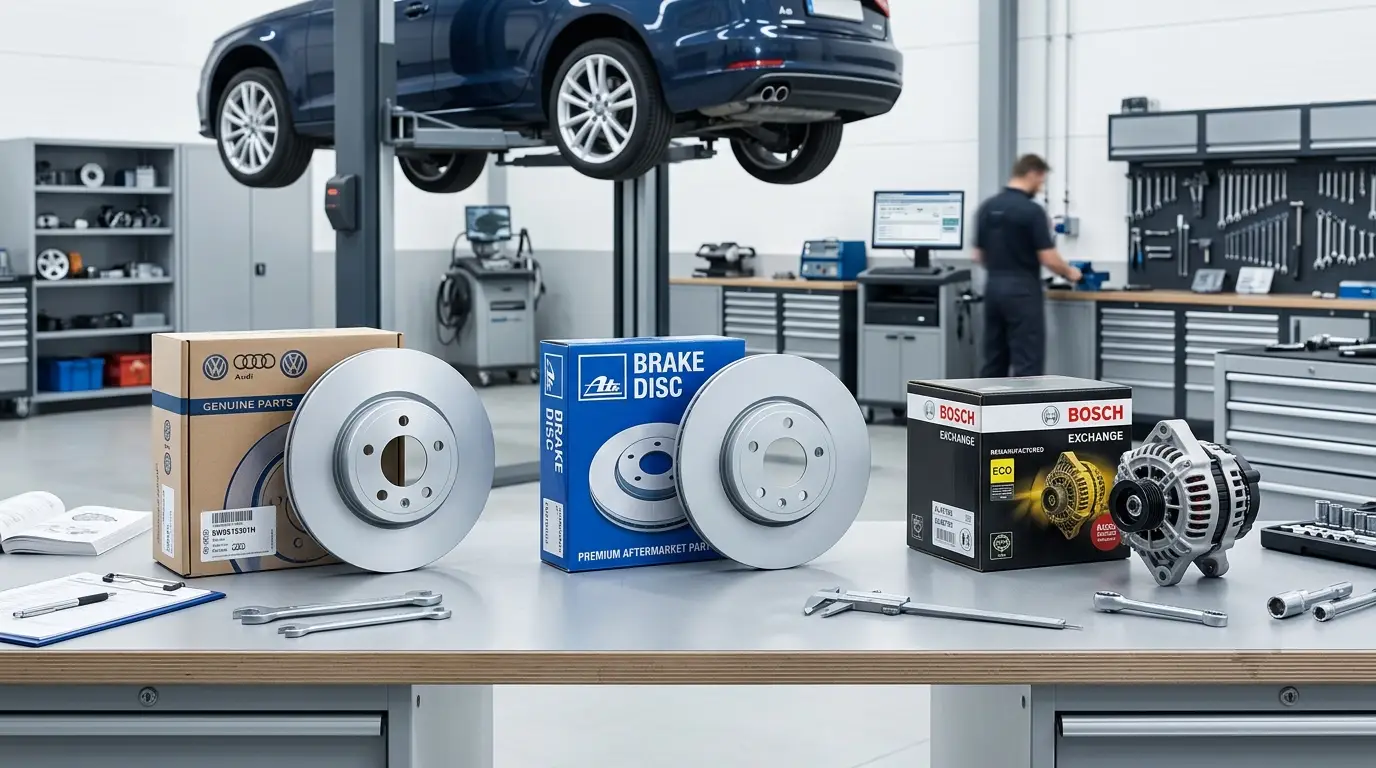
The harder you brake, the faster your brake pads and rotors wear out. Smooth, gradual braking helps them last longer and keeps stopping performance more consistent.
Rapid takeoffs increase engine load.
Aggressive acceleration may feel quick, but it puts more strain on engine components and increases long-term wear.
Transmission parts wear faster under harsh use.
Smooth shifting reduces stress on the transmission and helps internal components last longer.
Constant brake pressure wears parts unnecessarily.
This habit shortens brake life and can cause premature rotor wear.
Higher speed means more road friction.
Driving at steady, moderate speeds helps tires last longer and wear more evenly.
Rough roads hit more than just your tires.
Repeated hits can shorten suspension life and affect alignment.
Extra weight increases wear across the vehicle.
Consistently overloading your car shortens the life of several major components at once.
Short trips are harder on engine internals.
Short drives can create more engine wear than longer, steady trips.
The fuel system depends on proper fuel levels.
This can shorten the life of the fuel pump and clog filters or injectors.
Sharp turns increase strain on steering parts.
Smooth steering protects both suspension parts and tire tread.
Fast bumps create hard impact underneath.
Slowing down over bumps reduces stress and prevents undercar damage.
Traffic increases repeated stress cycles.
City driving typically wears parts faster than highway driving.
Curbs and hard turns during parking cause wear.
Careful parking helps prevent avoidable tire and suspension damage.
Cold engines need a little time to stabilize.
Driving aggressively right after startup increases internal engine wear.
Water exposure affects more than the exterior.
Repeated water exposure increases corrosion and part wear.
One worn part often damages another.
Small issues spread quickly when not repaired on time.
Good habits reduce wear everywhere.
The easiest way to extend the life of your auto parts is simply to drive with less stress.
The road affects your car, but how you handle the road matters just as much.
Small habits make a big difference over time.
Auto parts do not wear out only because of mileage. They wear out because of stress, heat, impact, and repeated strain - and much of that comes from how the vehicle is driven every day.
The good news is that better driving habits cost nothing to adopt. Smoother acceleration, gentler braking, slower turns, and more attention to road conditions can significantly extend the life of your vehicle’s most important parts.
Drive smarter, and your car parts will last longer, perform better, and cost you less over time.
Yes, aggressive driving increases stress, heat, and wear on nearly every major component.
Brakes, tires, suspension parts, and transmission components usually wear out first.
Yes, highway driving usually causes less stop-and-go wear and fewer stress cycles.
Yes, smoother driving reduces wear and helps parts last longer, which lowers maintenance costs.
Gentler braking and smoother acceleration are the simplest ways to reduce stress on auto parts.