Buying replacement auto parts should be a straightforward process, but with thousands of aftermarket, OEM, and used options available, it's easy to make costly mistakes. Purchasing the wrong part can lead to installation issues, poor vehicle performance, unnecessary expenses, and even safety risks.
Whether you're replacing an engine component, brake system part, suspension component, or electrical sensor, making informed decisions can save both time and money. Understanding common buying mistakes - and how to avoid them - will help ensure you get the right part the first time.
Below are the most frequent mistakes people make when purchasing auto parts and practical tips to avoid them.
The most common and expensive mistake.
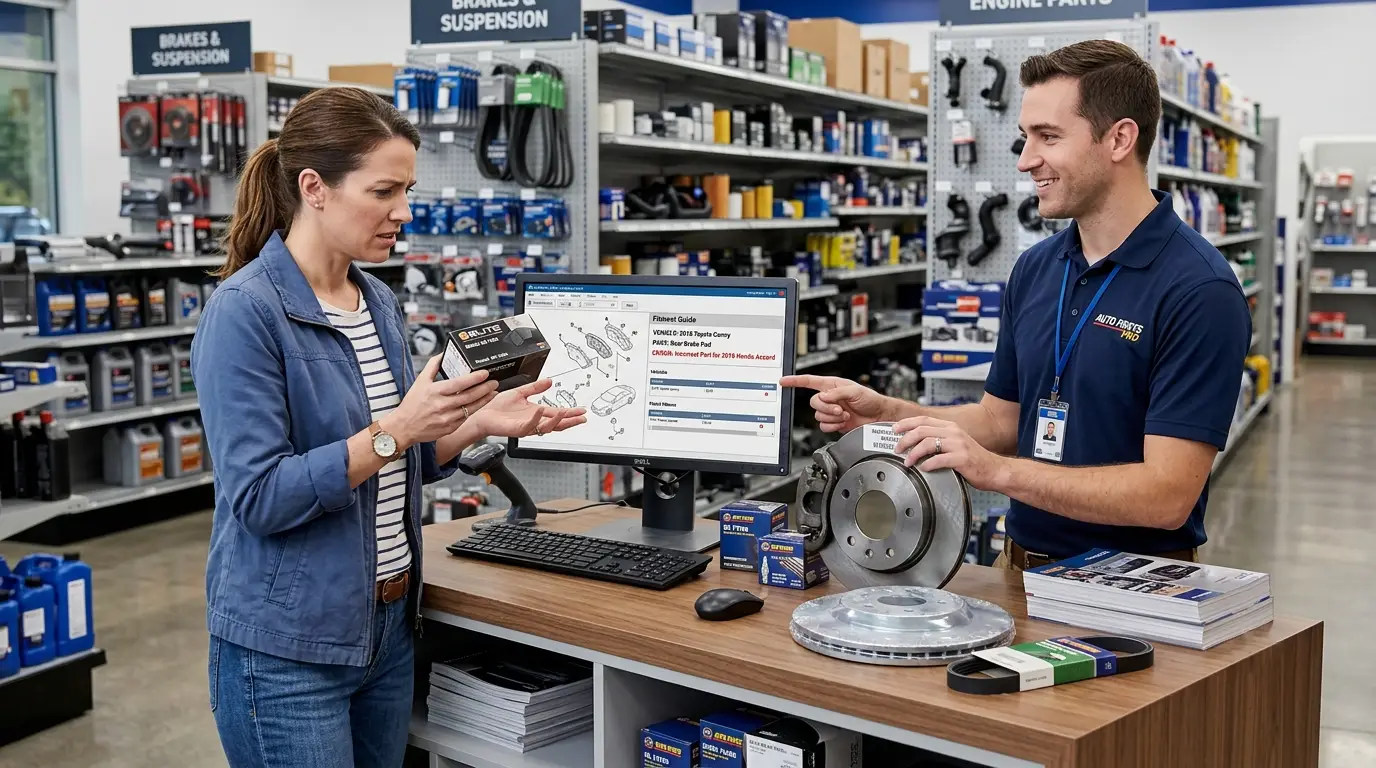
Many buyers assume that parts fit all vehicles of the same make and model. However, manufacturers often produce multiple engine options, trim levels, and drivetrain configurations within the same model year.
Low price doesn't always mean good value.
Everyone wants to save money, but extremely low-priced parts may use inferior materials or poor manufacturing standards.
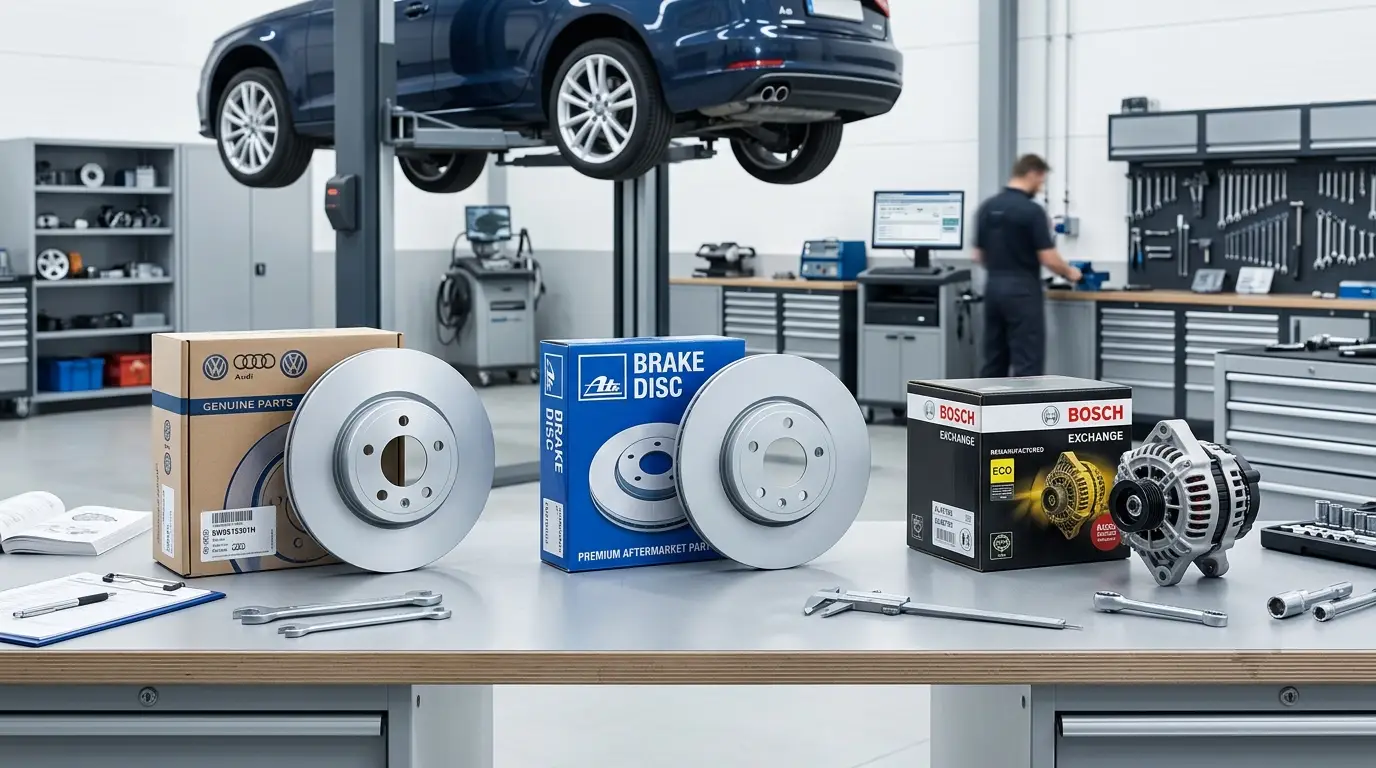
OEM numbers help ensure accurate fitment.
Original Equipment Manufacturer (OEM) part numbers identify the exact component designed for your vehicle.
Ignoring these numbers increases the risk of ordering incompatible parts.
A warranty provides valuable protection.
Auto parts can occasionally fail due to manufacturing defects. A warranty helps protect your investment.
Longer warranties often indicate greater manufacturer confidence in product quality.
Quality affects reliability and safety.
Not all replacement parts are manufactured to the same standards.
Poor-quality components may result in:
Choose parts made from high-quality materials and sourced from reputable manufacturers or suppliers.
Prices and services vary significantly.
Different sellers may offer:
Comparing options helps you find the best overall value rather than simply the lowest price.
Used parts should always be inspected.
Used engines, transmissions, and other major components can offer excellent value, but only if they have been properly inspected and tested.
Never purchase a used part without confirming its condition.
Not every replacement part comes complete.
Some parts are sold as complete assemblies, while others include only the basic component.
For example, a replacement engine may or may not include:
Ask the seller for a detailed list of included components before purchasing.
Damage can occur during transportation.
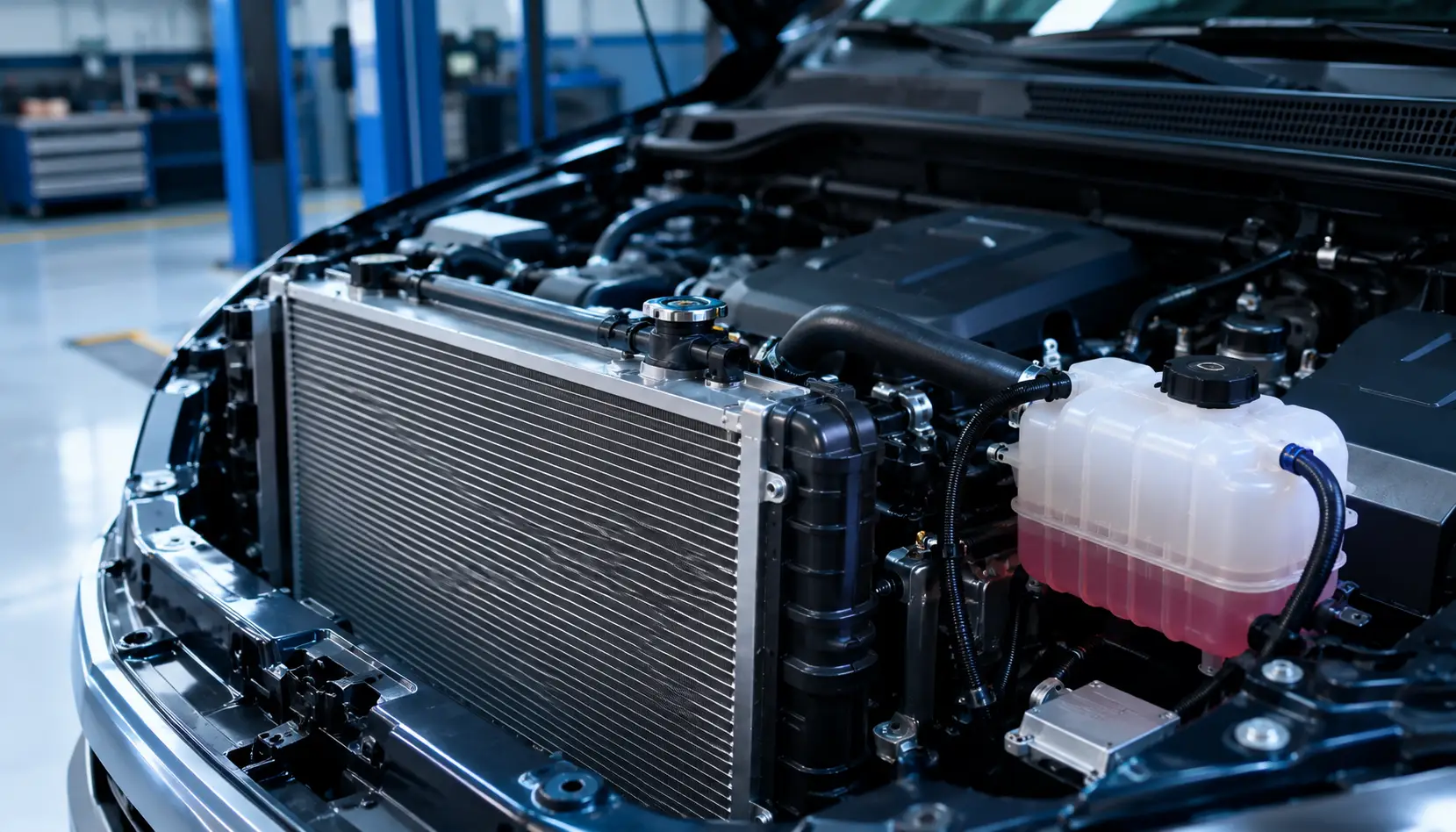
Large components such as engines, transmissions, radiators, and body panels can be damaged during shipping.
Inspect the package immediately after delivery.
Check for:
Report any shipping damage promptly.
Small details make a big difference.
Product descriptions often specify:
Skipping these details can lead to purchasing the wrong part.
Some parts require additional components.
Certain replacements require:
Failing to account for these requirements can increase repair costs and delay installation.
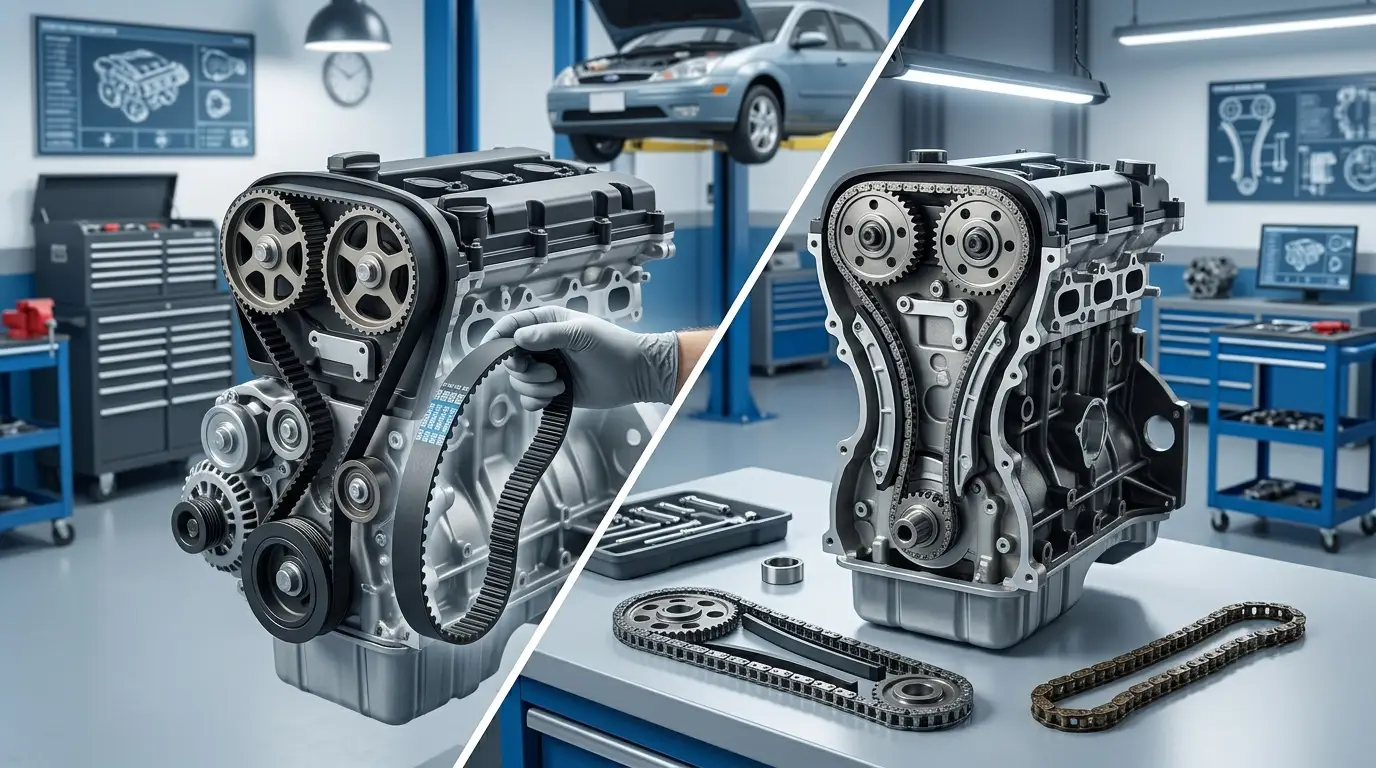
Replacing only one component can reduce repair effectiveness.
When replacing:
Replacing related wear items can reduce future labor costs.
Returns may not always be simple.
Some suppliers charge:
Understanding the return policy before buying helps avoid unexpected expenses.
Reputation matters.
Purchase from established retailers or trusted auto recyclers with positive customer reviews and clear business policies.
Not all aftermarket parts are the same.
Many aftermarket manufacturers produce high-quality parts that meet or exceed OEM standards.
The key is choosing reputable brands known for quality and reliability.
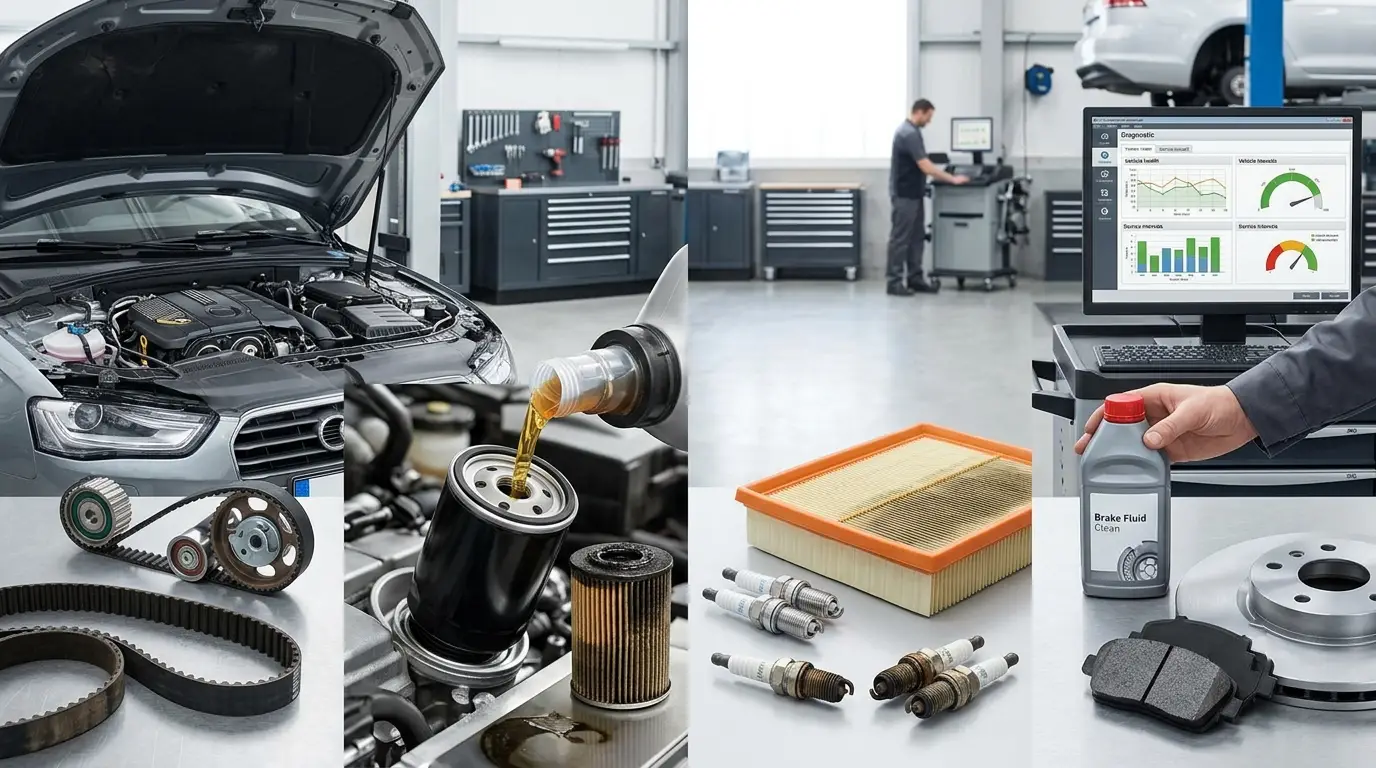
Proper maintenance extends part life.
Even the best replacement part can fail prematurely if routine maintenance is neglected.
Examples include:
Proper maintenance protects your investment.
The cheapest option isn't always the most economical.
When evaluating auto parts, consider:
A slightly higher upfront cost often results in lower long-term ownership expenses.
Use this checklist before making a purchase:
Following these steps helps reduce purchasing mistakes and ensures a smoother repair process.
Making informed purchasing decisions offers several advantages:
Choosing the correct parts the first time saves both time and money.
Buying auto parts involves more than finding the lowest price. Compatibility, quality, warranty, and supplier reputation all play a major role in ensuring a successful repair. By avoiding common mistakes such as skipping VIN verification, overlooking OEM part numbers, or purchasing from unreliable sellers, you can protect your investment and keep your vehicle running smoothly.
Whether you're buying new, OEM, aftermarket, or used components, taking a little extra time to research and verify your purchase can prevent unnecessary expenses and provide long-term peace of mind.
The most common mistake is failing to verify vehicle compatibility using the VIN, engine specifications, or OEM part number.
Many aftermarket parts offer excellent quality, especially when purchased from reputable manufacturers. Always compare specifications, reviews, and warranty coverage.
The VIN helps identify your vehicles exact engine, transmission, trim level, and factory specifications, ensuring you purchase compatible parts.
Not necessarily. Low-cost parts may have shorter lifespans or lower quality, leading to higher repair costs over time.
Verify mileage, inspection reports, warranty coverage, donor vehicle information, and compatibility with your vehicle before making a purchase.