Your car’s engine is built to handle thousands of miles, changing road conditions, and daily wear. But even the strongest engine can fail when certain problems are ignored for too long. In most cases, engine failure does not happen all at once. It usually begins with small issues - low oil, overheating, poor maintenance, or neglected warning signs - that slowly build into serious damage.
The good news is that most engine failures are preventable. Once you understand what causes them, it becomes much easier to spot trouble early and avoid expensive repairs.
Below is a clear pointer-based guide explaining the most common causes of car engine failure, what each problem means, and why it matters.
Oil is the lifeblood of your engine.
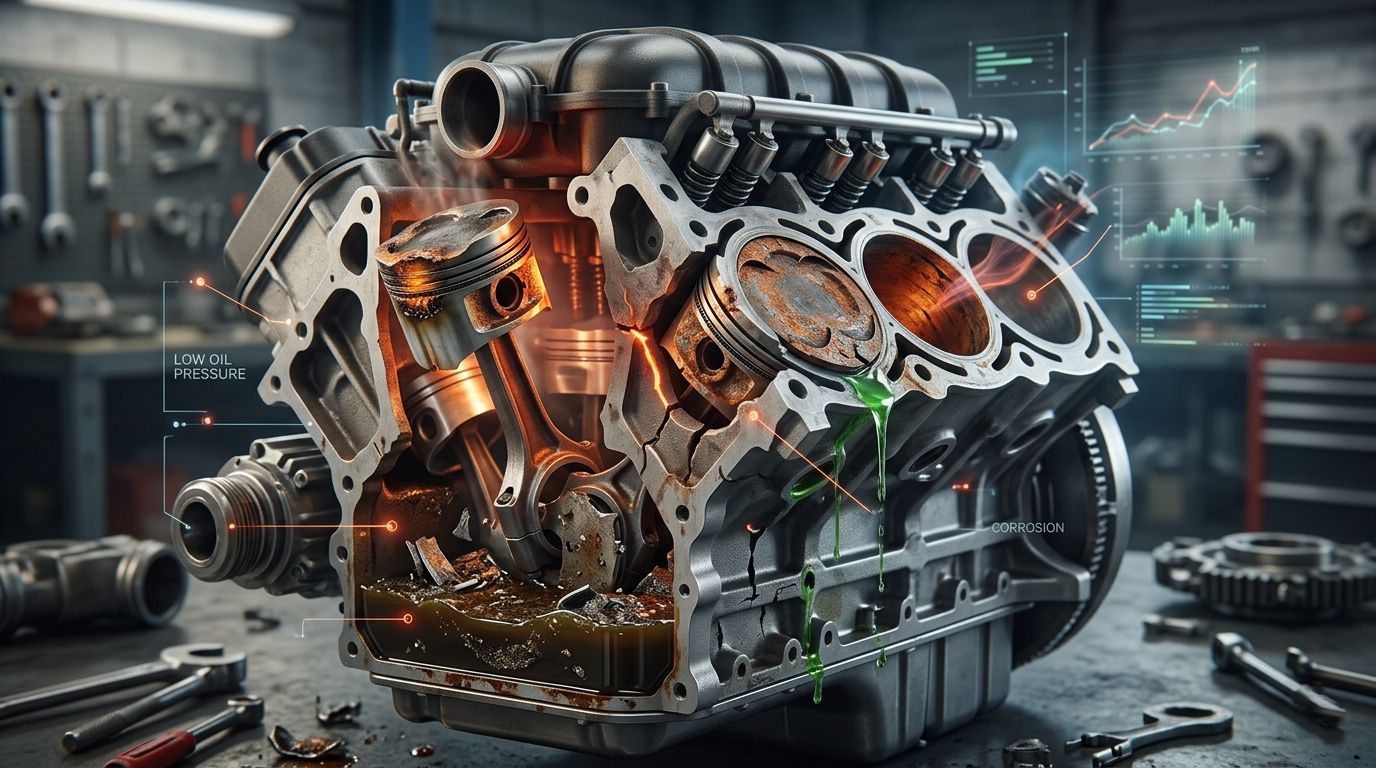
When the engine runs with insufficient oil, internal components like pistons, bearings, and crankshafts begin to wear rapidly. Over time, that friction creates heat and severe internal damage. If ignored, the engine can seize completely.
Too much heat can destroy an engine quickly.
A consistently overheating engine can damage the cylinder head, blow the head gasket, and weaken internal seals. Heat is one of the fastest ways to turn a small cooling issue into major engine failure.
Neglect is one of the biggest engine killers.
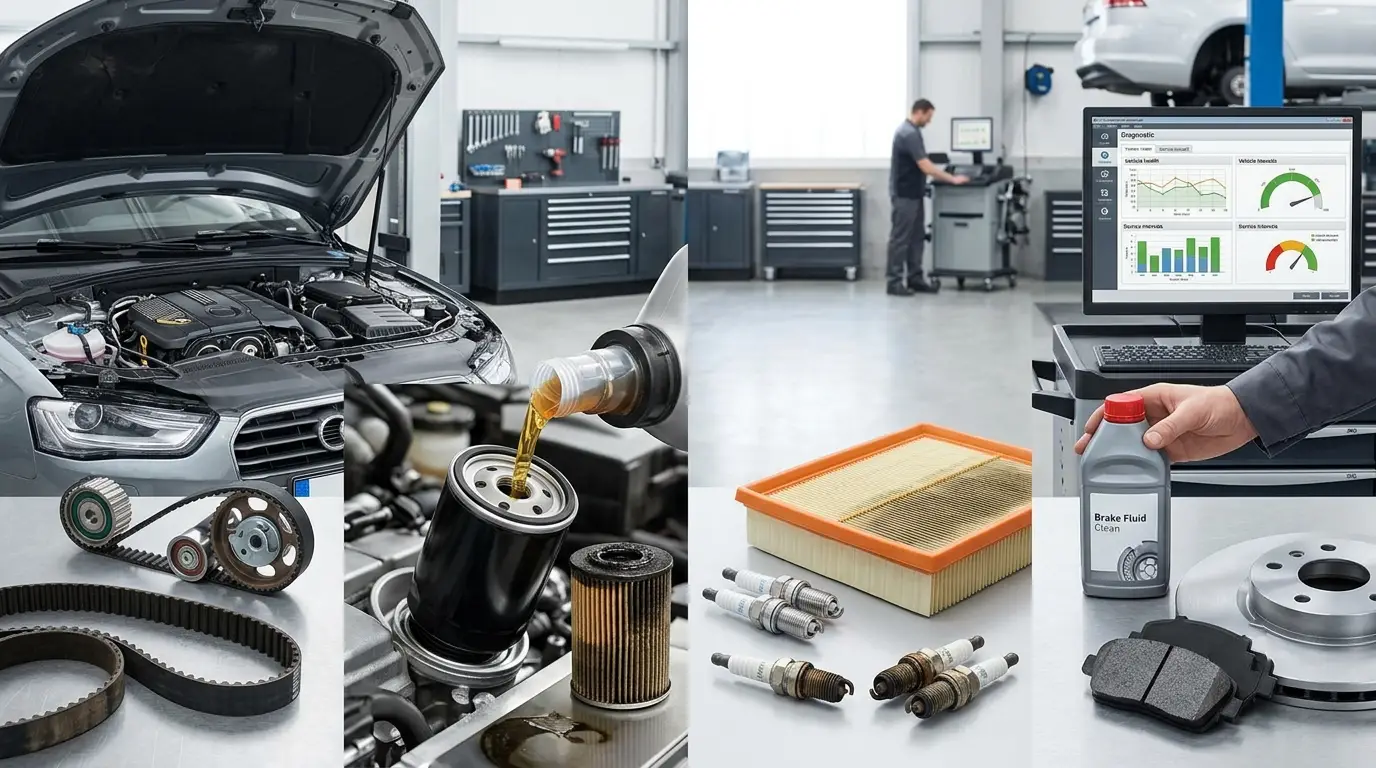
Engines need regular service to stay healthy. Ignoring routine maintenance shortens engine life and allows minor wear to turn into major failure.
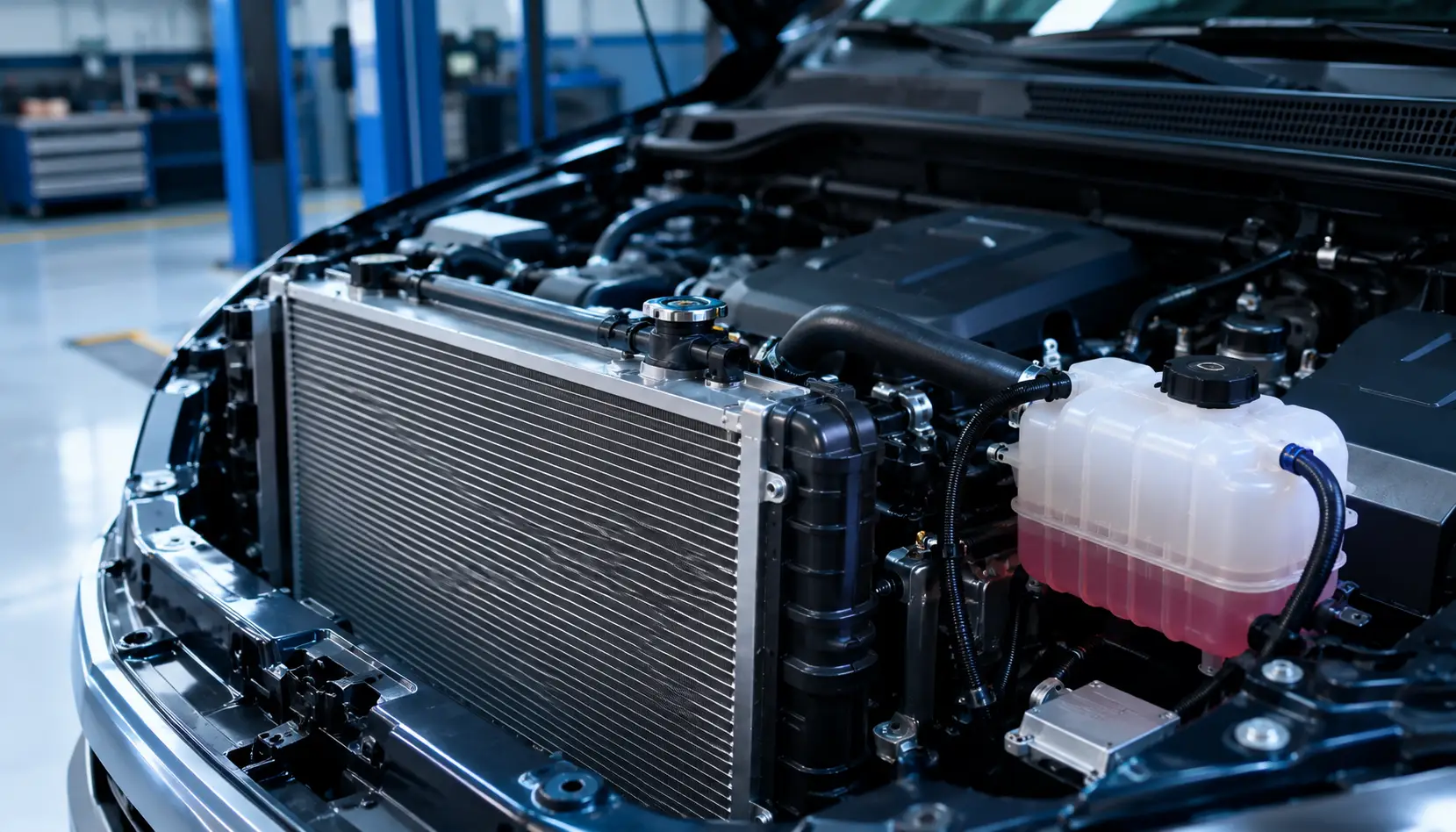
Coolant keeps the engine from overheating.
Even a small coolant leak can create major problems if ignored. Without enough coolant, the engine cannot regulate temperature properly.
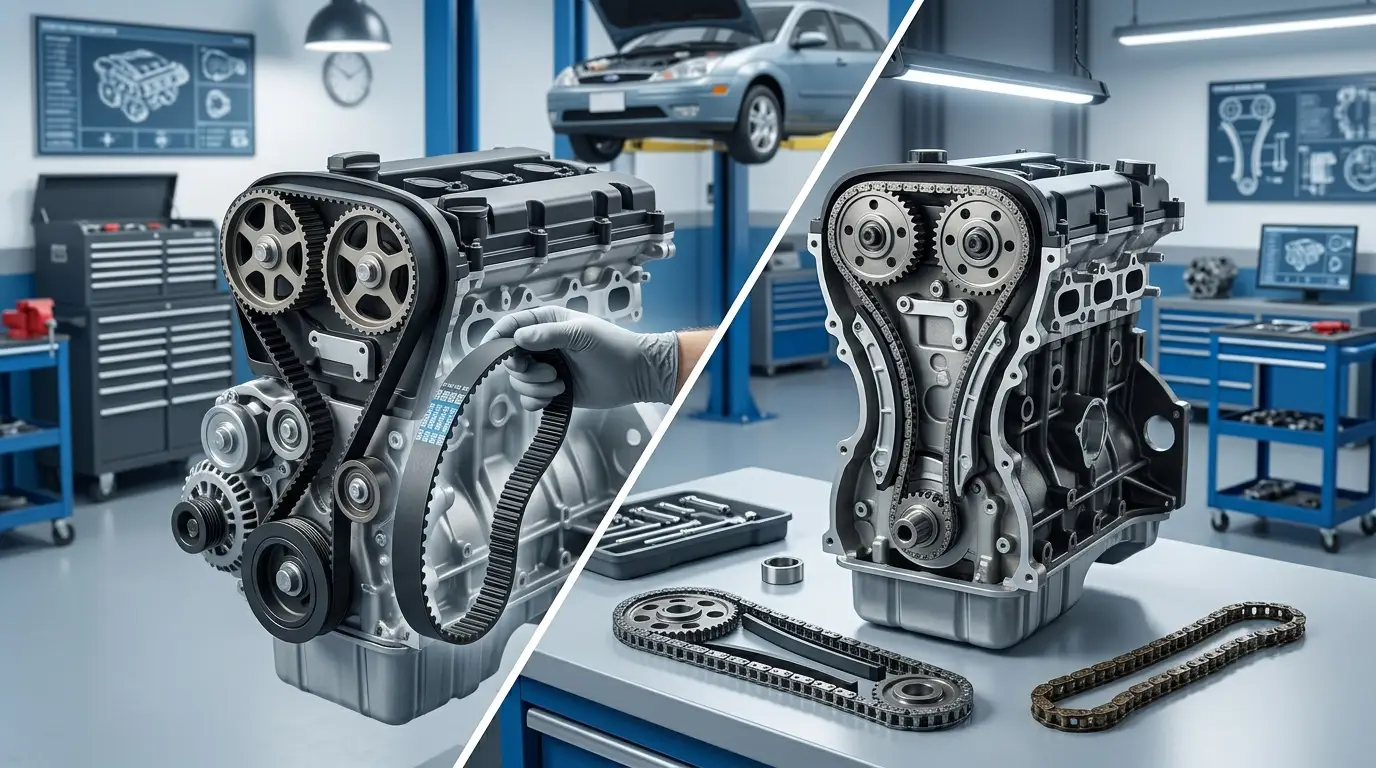
This controls engine timing and valve movement.
If the timing belt or chain fails, pistons and valves may strike each other, causing catastrophic internal damage.
Low coolant is just as dangerous as low oil.
Driving with low coolant often leads to overheating, cracked components, and severe engine damage.
Dashboard warnings are early signs of trouble.
Ignoring warning lights allows small problems to become expensive repairs.
Abnormal combustion damages internal parts.
Persistent knocking can damage pistons, valves, and cylinder walls over time.
Oil quality matters as much as oil level.
Sludge and debris in old oil reduce engine protection and accelerate damage.
Bad fuel affects combustion and performance.
Poor combustion reduces efficiency and can harm internal components over time.
The oil pump keeps lubrication flowing.
Without oil circulation, the engine can suffer severe damage in minutes.
Water entering the engine is extremely dangerous.
Driving through deep water can cause sudden and catastrophic engine failure.
Temperature regulation depends on it.
A bad thermostat can quickly trigger heat-related engine damage.
One of the most severe internal failures.
This often results in total engine failure and costly replacement.
These help seal combustion pressure.
Over time, worn rings increase engine wear and reduce efficiency.
Engines cannot survive dry operation.
This often leads to severe internal damage and engine seizure.
Small problems become large ones when ignored.
Delaying repairs is one of the most common reasons small engine issues become major engine failures.
These symptoms often appear before major failure happens.
Simple maintenance habits can prevent most major engine failures.
Car engine failure rarely happens without warning. In most cases, the signs are there - low oil, overheating, leaks, warning lights, or strange noises. The real problem begins when those signs are ignored.
Understanding the most common causes of engine failure helps you catch issues early, avoid expensive repairs, and extend the life of your vehicle. A well-maintained engine can last for years, but neglect can shorten that life dramatically.
Take care of the small things, and your engine will take care of the big miles ahead.
Low engine oil and overheating are among the most common causes of major engine damage.
Yes, most engine failures can be prevented with regular maintenance and early repairs.
Knocking sounds, overheating, warning lights, smoke, and fluid leaks are common warning signs.
Not long. Severe damage can begin within minutes depending on oil level and load.
Not always, but severe internal damage often makes replacement more cost-effective than repair.