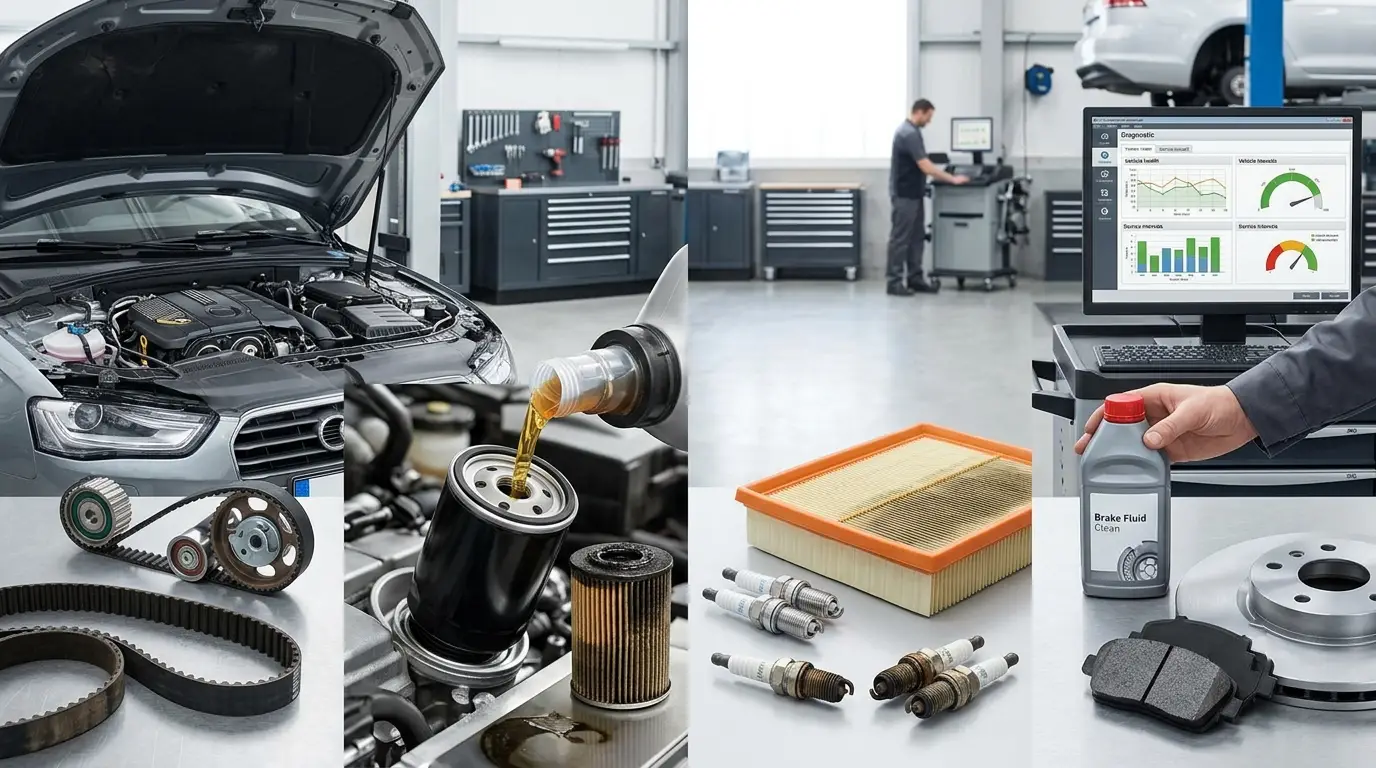

Fuel efficiency is one of the most important parts of vehicle ownership. It affects how often you stop at the pump, how much money you spend every month, and how well your vehicle performs over time. Whether you drive every day or only on weekends, getting better fuel mileage makes a noticeable difference.
The good news is that improving fuel efficiency does not always require expensive upgrades or major repairs. In many cases, small driving habits and simple maintenance steps can make a big impact. A car that uses fuel efficiently runs cleaner, performs better, and costs less to maintain.
Below is a practical pointer-based guide explaining what affects fuel efficiency, why it matters, and how you can improve it.
Tires directly affect fuel consumption.
Keeping tires properly inflated reduces resistance on the road and helps the car move more easily. Even slightly low tire pressure can reduce mileage over time.
Fast starts burn more fuel.
Smooth acceleration allows the engine to build speed gradually, which improves fuel use and reduces unnecessary strain.
Idling wastes fuel without moving the car.
If the vehicle is not moving, fuel is being used without gaining mileage. Reducing idle time improves fuel economy and lowers waste.
Clean airflow improves combustion.
Replacing clogged filters helps the engine breathe better and burn fuel more efficiently.
Fresh oil reduces internal friction.
Routine oil changes help the engine run smoothly and reduce fuel waste caused by internal resistance.
Not all oils perform the same.
Using the manufacturer-recommended oil improves lubrication and supports better fuel economy.
Consistency saves fuel.
Maintaining a steady speed allows the engine to operate more efficiently and use less fuel.
Extra load means extra fuel use.
Removing unnecessary items from the trunk or cabin reduces vehicle weight and improves efficiency.
AC increases engine load.
Using air conditioning wisely can reduce unnecessary fuel usage, especially in city driving.
Efficient ignition improves mileage.
Replacing old spark plugs helps maintain proper ignition and improves fuel efficiency.
Fuel quality affects combustion.
Cleaner fuel supports better combustion and helps the engine perform more efficiently over time.
Fuel delivery must stay efficient.
A clean fuel system helps deliver fuel evenly and improves combustion efficiency.
Short drives reduce fuel efficiency.
Combining errands into one trip helps the engine stay warm and operate more efficiently.
Misalignment creates drag.
Proper alignment improves handling and reduces fuel waste caused by unnecessary drag.
A well-tuned engine uses fuel more effectively.
Regular tune-ups help the engine run cleaner and more efficiently.
Steady throttle improves efficiency.
On long highway drives, this helps reduce fuel use and improve mileage.
The driver plays the biggest role.
Good habits are one of the easiest and most effective ways to improve fuel efficiency.
Better fuel efficiency saves money while also helping your car run cleaner and longer.
Small daily habits often make the biggest difference in long-term fuel savings.
Fuel efficiency is not just about saving money at the pump. It also reflects how well your vehicle is running and how efficiently it uses energy. A fuel-efficient car performs better, creates less waste, and often lasts longer.
The best part is that improving fuel efficiency does not require major changes. Small adjustments - like smoother driving, regular maintenance, and simple awareness - can make a noticeable difference over time.
When you improve fuel efficiency, you are not just saving fuel. You are also protecting your engine, lowering costs, and getting more value from every mile.
Driving habits, tire pressure, maintenance, and engine condition have the biggest impact on fuel efficiency.
Yes, worn spark plugs can cause poor combustion and increase fuel consumption.
Yes, idling burns fuel without moving the vehicle, which lowers overall efficiency.
At least once a month and before long trips.
Yes, proper maintenance helps the engine run cleaner, smoother, and more efficiently.